
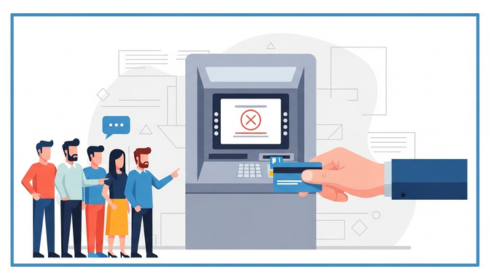
In the age of digital banking and 24/7 ATM access, financial transactions are expected to be smooth and seamless. However, it’s not uncommon for users to face situations where their atm transaction failed complaint needs to be filed due to technical errors or server-related issues. If you’ve ever inserted your card, attempted to withdraw money, and didn’t receive cash despite your account being debited — you’re not alone.
Let’s walk through what to do when you face such failed transactions or mistakenly send money to the wrong account, how to raise complaints effectively, and the best practices to avoid them in the future.
Also read: The Role Detention Equipment Contractors Play in Preventing Inmate Escapes
Common ATM Transaction Failures
ATM failures can occur due to a number of reasons, including:
- Machine malfunction or cash jam.
- Network timeout.
- Power failure during the transaction.
- Amount debited but cash not dispensed.
- Card getting stuck inside the machine.
In many of these cases, your account gets debited but you receive no cash. These types of failed transactions are known as “unsuccessful ATM transactions” and are eligible for refunds as per RBI (Reserve Bank of India) guidelines.
Steps to File an ATM Transaction Failed Complaint
If you experience a failed ATM transaction, follow these steps to lodge a complaint:
- Wait for 24 Hours: Sometimes banks auto-reverse the amount within a day. If not, move to step 2.
- Contact Your Bank Immediately:
- Visit your bank branch or call customer support.
- Provide your transaction ID, card number (last 4 digits), date, and time.
- Mention the ATM location and the exact issue.
- Use Online Grievance Portals:
- Most banks offer complaint forms via net banking or mobile apps.
- You can also file complaints through the bank’s official website.
- Escalate If No Response Within 7 Days:
- Approach the Banking Ombudsman (https://cms.rbi.org.in) if your bank doesn’t resolve it.
- The RBI mandates that failed ATM transaction amounts must be credited within 5 working days. If delayed, banks are liable to pay ₹100/day as compensation.
What to Do in Case of Mistake Payment
In the era of UPI, IMPS, and NEFT, it’s easy to send money to the wrong account. A Mistake payment can happen due to:
- Entering wrong account number or IFSC code.
- Choosing the wrong beneficiary from saved contacts.
- Errors in UPI ID or scanning the wrong QR code.
If you accidentally make a payment to the wrong person, here’s how you can try to recover it:
- Contact Your Bank Immediately:
- Share transaction details.
- Ask the bank to contact the beneficiary’s bank to reverse the amount.
- However, banks cannot reverse a transaction without the consent of the receiver.
- Call the Receiver (if known):
- If you have contact details, request a return of funds.
- File a Police Complaint:
- If the receiver refuses to return the money, you may lodge a legal complaint under Section 420 IPC.
- Raise a Complaint via NPCI:
- For UPI payments, use the app’s grievance system or NPCI’s complaint portal.
Preventive Measures to Avoid Such Issues
- Always double-check account numbers, IFSC codes, and UPI IDs before confirming transactions.
- Use QR codes and contact lists carefully.
- Avoid transacting when there’s unstable internet or server issues.
- Register for SMS/email alerts to track every transaction.
Final Thoughts
While banking technology has made our lives easier, glitches and human errors can still cause serious inconveniences. The good news is that most ATM and online payment issues are resolvable if you act quickly and follow the proper complaint process. Whether it’s
