Phyn Plus and Automatic Water Shutoff: A Smarter Way to Protect Your Home
Water damage rarely announces itself politely. A pipe can start leaking behind a wall at two in the morning, a washing-machine hose can fail while you’re at work, or a toilet can keep running for hours without anyone noticing. By the time there’s a visible puddle, the actual problem may already be much bigger.
That’s one reason connected water-monitoring technology has become increasingly interesting for homeowners. Devices can watch water usage continuously, identify unusual flow, and in some cases shut off the water automatically. It doesn’t eliminate plumbing problems, of course, but it can help catch them earlier — and that can make a surprisingly big difference.
What Is Phyn Plus?
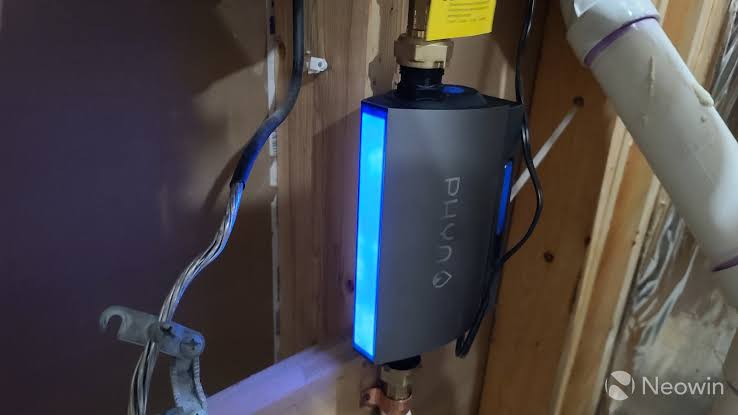
Phyn Plus is a smart water-monitoring and automatic shutoff device designed to help homeowners understand and manage their home’s water system.
The idea is fairly simple. The device monitors water flow and pressure through the home’s plumbing and uses data analysis to identify patterns that may suggest unusual water activity.
Instead of only finding out about a problem when the monthly water bill arrives, homeowners can receive information much closer to when the event actually happens.
That shift from “something happened” to “something may be happening right now” is where smart water monitoring becomes genuinely useful.
Why Water Monitoring Matters
Most people know roughly how much water their household uses, but few can describe what normal water usage looks like hour by hour.
A monitoring system can establish patterns over time. Perhaps the house normally has almost no water activity overnight. If the system suddenly detects continuous flow at 3 a.m., that difference can be meaningful.
It doesn’t automatically prove there’s a leak. A sprinkler system, appliance, or someone taking a very late shower could explain it. Still, the alert gives you a reason to check.
And that’s often the whole point: getting a warning before a small problem becomes an emergency.
Automatic Water Shutoff Can Add Another Layer of Protection
Monitoring is helpful, but detection is only half the equation. An automatic water shutoff can take things one step further by stopping water flow when the system identifies a potentially serious event.
Imagine you’re away for the weekend and a supply line suddenly breaks. Without anyone there to turn off the main valve, water could continue flowing until somebody discovers the problem.
A connected shutoff device may be able to respond much faster.
Of course, homeowners should understand how their particular system makes shutoff decisions. False positives are possible, and plumbing systems vary. It’s important to configure alerts and settings appropriately rather than assuming the device will always interpret every situation perfectly.
The Cost of Waiting Too Long
Water is harmless when it’s where it belongs. Inside a pipe, tank, or appliance, it does its job. Once it escapes into walls, flooring, insulation, or ceilings, the story changes quickly.
A small leak can gradually create costly damage, including ruined flooring, damaged drywall, mold-related concerns, and repairs to household furnishings.
The financial cost isn’t always the only problem. Water damage can disrupt daily life, force rooms out of use, and create a huge amount of stress.
Early detection doesn’t guarantee that damage won’t happen, but it can reduce the amount of water involved in an incident.
Understanding Your Home’s Water Habits
One underrated benefit of a smart water monitor is education.
Once you see your home’s water patterns, you may discover things you never noticed. Maybe an old toilet is using more water than expected. Perhaps outdoor irrigation accounts for a surprisingly large portion of consumption. You might even notice that certain appliances create unusual flow patterns.
This information can help homeowners make practical decisions rather than relying on guesses.
And no, you don’t need to stare at a water dashboard all day. That’s not the point. The useful part is being alerted when something falls outside normal behavior.
What Happens When You’re Away?
Smart water protection becomes particularly interesting for second homes, rental properties, or families who travel frequently.
When nobody is around, a leak can continue unnoticed for hours or days. A connected monitoring and shutoff system can provide another layer of protection while the property is empty.
That doesn’t replace insurance, plumbing inspections, or sensible maintenance. Think of it as another safety net.
For many homeowners, that’s probably the most convincing argument for the technology.
Installation and Compatibility Matter
Before installing a smart water shutoff system, check your home’s plumbing configuration carefully.
Some systems need to be installed on the main water line, and professional installation may be advisable depending on the setup. Pipe size, valve location, available space, Wi-Fi connectivity, and electrical requirements can all matter.
It’s tempting to order a device because the feature list looks impressive. But compatibility is more important than a long list of features.
A good system should fit naturally into the home’s plumbing rather than becoming another headache.
Don’t Forget About Maintenance
Smart technology still needs basic care.
Sensors, valves, network connections, and power supplies should be checked periodically. Software may also need updating. If the system relies on Wi-Fi, homeowners should understand what happens if the internet connection goes down.
It’s worth testing alerts and shutoff functionality occasionally, too.
You wouldn’t install a smoke alarm and never check its batteries. Water-protection equipment deserves the same attitude.
Smart Technology Isn’t a Replacement for Good Plumbing
A connected monitor can detect unusual water activity, but it can’t fix an aging pipe, replace a worn valve, or repair a cracked appliance hose.
Regular inspections still matter. Washing-machine hoses, water heaters, toilets, faucets, and exposed plumbing should be checked for signs of wear.
The best approach combines traditional maintenance with modern monitoring.
Technology gives you information and, in some cases, a rapid response. Good maintenance reduces the chance of a problem occurring in the first place.
Is Phyn Plus Worth Considering?
For homeowners who want greater visibility into water consumption and an additional layer of leak protection, a system such as Phyn Plus can be worth investigating.
Its real value isn’t simply that it connects plumbing to a smartphone. The bigger benefit is awareness. Knowing what’s normal makes it easier to recognize what’s unusual, and faster action can sometimes limit the consequences of a plumbing failure.
No smart device can promise a completely leak-free home. Pipes will still age, appliances will still fail, and accidents happen.
But when water starts going somewhere it shouldn’t, every minute can matter. A little technology, paired with sensible maintenance, may give homeowners something they didn’t have before: an earlier warning and a better chance to act before a small leak turns into a very large problem.