How Termites Cause Damage That Pest Control Near Me Can Stop Early
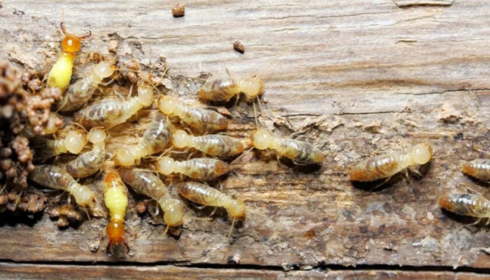
Wood-framed homes often feel solid and dependable, yet serious damage can begin without any visible warning. Termites operate quietly, using the structure itself as a food source while staying hidden from view. Understanding how this damage develops explains why early action through pest control near me can prevent expensive repairs later.
Termites Quietly Eating Structural Wood Before You Notice Signs
Termites rarely attack exposed wood first. They target hidden framing, floor joists, and wall studs where activity stays unnoticed for long periods. As they feed, they remove cellulose from the inside of wood, leaving only a thin outer layer that appears intact during casual inspection. Damage often progresses silently for months or even years. Floors may feel slightly softer, doors may stick, or walls may sound hollow when tapped, yet these clues are commonly dismissed. Early detection through routine inspections offered by Huntsville pest control services can identify feeding patterns before structural stability is affected.
Burrowing Beneath Foundations to Weaken Support Beams
Subterranean termites live in soil and build underground networks that connect colonies to homes. These tunnels allow them to travel beneath foundations and access wooden support beams without exposure. Once inside, they move upward into critical load-bearing areas.
Soil contact creates an ideal entry point, especially where wood meets concrete or where foundation cracks exist. Pest control Huntsville AL professionals focus on these zones during inspections, recognizing that damage below ground often determines how severe an infestation becomes inside the structure.
Mud Tubes Forming Along Walls As Termites Travel Unseen
Mud tubes are narrow, dirt-colored tunnels termites construct to protect themselves while traveling between soil and wood. These tubes often appear along foundation walls, crawl spaces, or behind appliances where visibility is limited. Their presence signals an active infestation rather than past activity. Inside walls, mud tubes allow termites to move freely without drying out or being exposed to light. Many homeowners overlook them, assuming they are dirt streaks or construction residue. A trained pest control near me provider knows how to identify fresh tubes and trace them back to active colonies.
Cellulose Feeding That Hollows out Critical Wooden Supports
Cellulose is the primary food source for termites, found in wood, paper, and some insulation materials. Instead of consuming wood evenly, termites carve winding tunnels inside beams, weakening them from within. The exterior may look normal while the interior structure becomes fragile. This feeding pattern compromises support beams, window frames, and roof trusses. Over time, the loss of internal strength increases the risk of sagging floors or shifting walls. Huntsville pest control inspections often reveal this hidden damage using probing tools and moisture meters before collapse occurs.
Swarming Colonies Increasing Infestation Pressure on Homes
Swarming occurs when mature termite colonies release winged reproductives to establish new nests. These swarmers are often mistaken for flying ants and may appear briefly near windows or light sources. Their presence indicates that a nearby colony has reached a size capable of spreading.
Once new colonies form, pressure on the home increases as multiple groups search for food. Swarming seasons often trigger sudden infestations in previously unaffected areas. Pest control Huntsville AL services monitor swarm activity to stop expansion before additional colonies settle inside structures.
Moisture-attracting Behaviors Drawing Termites into Framing
Termites are highly sensitive to moisture and are drawn to damp environments. Leaking pipes, poor drainage, and condensation create conditions that attract colonies toward framing and subfloors. Even minor moisture issues can guide termites directly into structural wood.
Inside walls, moisture softens wood fibers, making them easier to consume. This combination accelerates damage while masking early signs. Pest control near me providers often assess moisture sources alongside termite activity to reduce reinfestation risks after treatment.
Tiny Entry Cracks Allowing Termites to Infiltrate Interior Wood
Termites do not need large openings to enter a home. Hairline cracks in foundations, gaps around utility lines, and expansion joints provide enough space for access. These entry points often go unnoticed during routine maintenance.
Once inside, termites spread quickly through wall voids and framing. Sealing visible cracks alone is rarely enough, as underground access points remain active. Huntsville pest control inspections focus on identifying both visible and concealed entry paths that contribute to ongoing infestations.
Hidden Wood Damage Progressing Until Major Repair Is Needed
Termite damage often becomes visible only after significant deterioration has occurred. Structural beams may fail, floors may sag, or walls may crack as internal supports weaken. Repairs at this stage can involve extensive reconstruction rather than minor fixes. Early intervention changes this outcome by stopping feeding before critical damage develops. Routine monitoring and professional treatment reduce the chance of surprise failures and long-term costs. For homeowners seeking early detection and protection against termite damage, Scout Pest Control provides services designed to stop infestations before repairs become unavoidable.