Blog

  • The Exciting World of MOBA Games: Strategy, Teamwork, and Thrills

    The Exciting World of MOBA Games: Strategy, Teamwork, and Thrills

    Multiplayer Online Battle Arenas (MOBA) have revolutionized the gaming world, offering a unique blend of strategy, action, and teamwork. In a MOBA, players team up to fight against an opposing team in a dynamic and fast-paced environment. These games require a deep understanding of strategy, coordination with teammates, and quick reflexes to secure victory. Whether you’re a seasoned gamer or new to the genre, MOBAs provide a rewarding and exhilarating gaming experience. In this blog, we’ll dive into the world of MOBAs, explore their appeal, and suggest one popular title you might enjoy. Plus, for a quick break, we’ll suggest something fun like slot88 to mix things up between your MOBA sessions!

    What Makes MOBAs So Popular?

    MOBA games are known for their complexity and depth, with each match offering a fresh experience. Unlike other genres, MOBAs heavily emphasize teamwork and strategy, where every player’s actions contribute to the team’s success or failure. The classic 5v5 setup allows for a mix of roles: attackers, defenders, supporters, and strategists, each with specific abilities that complement the others. This balance of roles creates a need for constant communication and coordination among team members.

    In addition to teamwork, individual skill also plays a crucial role. Players must master their chosen characters, understand the map layout, manage resources, and make quick decisions during intense moments. The constant evolution of MOBAs, with new characters, updates, and balance changes, keeps the gameplay fresh and exciting, ensuring that no two matches are ever the same.

    The Thrill of Competitive Play

    MOBAs are not just about casual gameplay; they offer a highly competitive environment. Players can test their skills against others in ranked matches, climbing the competitive ladder to earn higher rankings and unlock exclusive rewards. The thrill of climbing the ranks, competing against players of similar skill levels, and participating in high-stakes tournaments is one of the biggest draws of the genre. With multiplayer online matchmaking, players can easily join teams and engage in intense battles, always striving for the next victory.

    The esports scene surrounding MOBAs has also grown significantly over the years. Major tournaments, such as The International for Dota 2 and the League of Legends World Championship, feature large cash prizes and millions of viewers worldwide. These events showcase the incredible skill, teamwork, and strategic depth that make MOBAs a top-tier competitive gaming experience.

    The Most Popular MOBA: League of Legends

    Among the many MOBA titles available today, League of Legends (LoL) is undoubtedly one of the most popular and influential games in the genre. Developed by Riot Games, League of Legends boasts millions of active players worldwide and has built a strong, dedicated community over the years. Whether you’re a casual gamer or a professional player, LoL provides something for everyone.

    In League of Legends, players select a “Champion” with unique abilities and work together in teams to destroy the enemy’s Nexus, the core building located in their base. The game is divided into two main roles: Laning (where players fight for resources and gain levels) and Team Fights (where strategy, positioning, and teamwork shine). LoL offers a variety of modes, from casual to ranked play, allowing players to test their skills in different scenarios.

    What sets League of Legends apart from other MOBAs is its ever-evolving game mechanics, constant updates, and balance changes. The game has an expansive roster of champions and an intricate world-building system that keeps players coming back. Whether you’re playing solo or as part of a team, League of Legends delivers an exciting and rewarding experience for anyone looking for a competitive and strategic challenge.

    Relax and Have Fun with slot88

    After an intense MOBA session, it’s important to unwind and enjoy something a little more relaxing. For a quick break, consider trying out slot88. This fun and engaging slot game offers an easy way to take your mind off the strategy-heavy gameplay of MOBAs. slot88 is perfect for those who want a laid-back experience, where you can spin the reels and enjoy the thrill of potentially winning without needing complex strategies or teamwork.

    With a wide range of slot themes and simple gameplay, slot88 can be the perfect complement to your competitive gaming sessions. Whether you’re enjoying a few minutes between MOBA matches or just looking for some solo fun, slot88 provides an entertaining way to relax.

    The Future of MOBAs

    The future of MOBAs looks promising, with continued technological advancements enhancing the experience. Virtual reality (VR) and augmented reality (AR) could transform how we play MOBAs, making the experience even more immersive. Additionally, game developers are constantly working to improve graphics, introduce new characters, and balance gameplay to keep the genre fresh and exciting. The increasing popularity of mobile MOBAs also opens the door for new audiences and accessibility, allowing players to enjoy these games on the go.

    Esports will continue to play a significant role in the development of the MOBA genre, with large tournaments and sponsorship deals further cementing the games’ place in competitive gaming. The community surrounding MOBAs will likely grow, and with more people involved, the overall gaming ecosystem will continue to thrive.

    Conclusion: Why MOBA Games Are a Must-Try

    MOBA games are a unique and thrilling experience that offer deep gameplay, teamwork, strategy, and competitive action. Whether you’re a fan of fast-paced team battles or enjoy mastering intricate mechanics, MOBAs offer something for every player. League of Legends remains a standout example of the genre, offering a combination of exciting gameplay, constant updates, and an ever-growing esports scene.

    When you need a break from the intense battles, slot88 provides a quick and relaxing diversion. Whether you’re enjoying a solo spin or taking a pause from your MOBA gameplay, slot88 is a great way to unwind.

    The future of MOBAs is bright, with new technological innovations and expanding communities making it an exciting time to be a fan of the genre. Jump in, find your team, and experience the thrill of MOBA gaming today!


  • The Ultimate Ludo App for Every Player

    The Ultimate Ludo App for Every Player

    Ludo is a game that transcends generations, offering fun and excitement to players of all ages. Whether you’re a casual player looking for a quick game or a seasoned pro aiming to take your skills to the next level, finding the right Ludo app can make all the difference. In this blog, we’ll introduce you to the ultimate Ludo app that suits every player, offering a seamless experience, diverse features, and the thrill of competitive gameplay.

    Why Ludo Apps Are Changing the Game

    The digital age has breathed new life into the classic game of Ludo, especially the ludo real money games, offering players the chance to enjoy their favourite game anytime, anywhere and earn cash. The convenience of Ludo apps allows you to play with global opponents at the tap of a button. These apps not only preserve the fun of the traditional board game but also enhance it with modern features such as online multiplayer modes, in-app chat functions, and rewards.

    But with so many Ludo apps available, how do you choose the one that best suits your needs? Let’s explore the features of the ultimate Ludo app that will keep you coming back for more.

    Key Features of the Ultimate Ludo App

    Multiplayer Modes for Every Experience Level

     The best Ludo apps offer multiple ways to play. Whether you want to team up for a casual game or an intense competition against random players around the world, an ultimate Ludo app gives you access to both local and online multiplayer modes. 

     Pro Tip: Explore both the quick-play options for fast matches and the longer tournaments to experience a range of competitive play.

    Simple and Intuitive Interface

     Ease of use is a crucial feature when choosing a Ludo app. The ultimate Ludo app should have a clean, user-friendly interface that makes it easy for players of all skill levels to get started. From the moment you open the app, you should be able to quickly navigate between different game modes, chat features, and settings.

    Real-Time Online Gameplay

     For those who crave a competitive edge, the ultimate Ludo app should offer smooth, real-time multiplayer gameplay. The app should enable players to take turns quickly, ensuring that games don’t drag on unnecessarily. With real-time online play, you can engage in matches that feel dynamic, competitive, and most importantly, fun.

     Pro Tip: Look for apps with an active player base so you can find opponents at any time of day, without long waiting times.

     Pro Tip: Mastering the use of power-ups is a great way to turn the tide in your favour. Don’t use them recklessly—save them for critical moments!

    Rewards and Leaderboards

     What makes a Ludo app truly ultimate? Rewards and recognition for your skills! Many top-tier Ludo apps feature leaderboards, where you can see how you rank against other players. 

     Pro Tip: Participate in weekly or monthly challenges to climb the ranks and earn exciting rewards.

    Why This Ludo App Is the Ultimate Choice

    When looking for the ultimate Ludo app, it’s all about finding one that balances a user-friendly interface with rich features. The app should offer smooth, real-time multiplayer gameplay, and opportunities for players of all experience levels to have fun. 

    Conclusion

    Whether you’re playing casually or looking for a competitive challenge, the ultimate Ludo app can provide a game-changing experience. With real-time gameplay and smooth controls, these apps take the traditional board game to new heights, ensuring that every player—novice or expert—can enjoy hours of fun. Ready to roll the dice? Download the ultimate Ludo app and take your gameplay to the next level today!

    Let the dice decide your fate, and may the best player win!

  • The Rise of Online Slot Games: Exploring the Excitement Behind Slot88 and Slot Gacor

    The Rise of Online Slot Games: Exploring the Excitement Behind Slot88 and Slot Gacor

    The world of online gaming has witnessed a remarkable transformation over the years, with slot games emerging as a dominant force. Among the various platforms and terms associated with this niche, one stands out: Slot88. This name has garnered significant attention for its user-friendly experience, diverse game selection, and cutting-edge features. Let’s delve deeper into the phenomenon of online slot games and why they have captivated players worldwide.

    A Glimpse Into the Popularity of Online Slots

    Slot games have been a staple of casinos for decades, but the advent of online gaming has elevated their appeal to new heights. Today, players no longer need to visit a brick-and-mortar casino to experience the thrill of spinning the reels. Instead, they can access an extensive array of slot games from the comfort of their homes or even on the go.

    One reason for the surge in popularity is the simplicity of these games. Unlike poker or blackjack, slots require no prior knowledge or strategy. This accessibility attracts casual gamers who are looking for quick entertainment without a steep learning curve.

    Moreover, the introduction of digital platforms like Slot88 has revolutionized how these games are played. Advanced graphics, interactive themes, and bonus features have turned traditional slot machines into engaging virtual experiences.

    What Makes Slot88 a Standout Choice?

    Slot88 has established itself as a reputable platform for slot enthusiasts. Its appeal lies in its commitment to delivering a seamless and secure gaming environment. With a vast selection of slot games, players can choose from classic three-reel slots, modern video slots, and even themed slots based on popular movies or cultural motifs.

    Additionally, Slot88 is known for its fair play policies and adherence to regulatory standards, ensuring that players can enjoy a transparent gaming experience. The platform’s intuitive interface makes it easy for beginners and seasoned players alike to navigate through its offerings.

    Another aspect that draws players to Slot88 is its incorporation of the latest technology. Features like mobile compatibility, live support, and secure payment methods create a hassle-free experience, allowing players to focus solely on the excitement of the game.

    The Allure of Slot Gacor

    The term “Slot Gacor” has become synonymous with slots that are perceived to have a higher chance of producing wins. While this concept largely depends on luck and randomness, players often flock to games labeled as “gacor” due to the belief that they might yield better payouts.

    Platforms that highlight these slots cater to the aspirations of players hoping to maximize their winnings. It’s important to remember, however, that no slot is guaranteed to pay out, as all outcomes are determined by random number generators (RNGs).

    What keeps players returning to these slots is the blend of hope and excitement. Every spin carries the potential for a life-changing win, which makes the experience both thrilling and addictive.

    Tips for Choosing the Right Slot Game

    With so many options available, selecting the right slot game can feel overwhelming. Here are some tips to enhance your online slot gaming experience:

    1. Understand the RTP (Return to Player): RTP is a percentage that indicates how much a slot game pays back to players over time. Higher RTP slots are generally more favorable.
    2. Explore Bonuses and Features: Many online slots offer bonuses such as free spins, multipliers, and wild symbols. These features can significantly enhance your chances of winning.
    3. Set a Budget: It’s crucial to play responsibly. Determine a budget before you start playing and stick to it, regardless of the outcomes.
    4. Try Demo Versions: Most platforms allow you to play demo versions of slots. Use this opportunity to familiarize yourself with the game mechanics before wagering real money.

    Responsible Gaming Matters

    While the excitement of spinning the reels can be enticing, it’s essential to approach online slot gaming responsibly. Establishing limits, taking breaks, and understanding the risks associated with gambling are fundamental to maintaining a healthy gaming experience.

    Slot games, including those on Slot88, are designed to be entertaining rather than a guaranteed source of income. By prioritizing enjoyment over financial gain, players can ensure that their experience remains positive.

    Final Thoughts

    The rise of online slots reflects the evolution of the gaming industry, blending technology, entertainment, and the timeless appeal of chance. Platforms like Slot88 have played a pivotal role in shaping this landscape, offering players an exciting and accessible way to engage with slot games.

    Whether you’re a seasoned player or new to the world of online slots, the key to enjoying this form of entertainment lies in balance and responsibility. After all, the true reward of online gaming is the fun and excitement it brings.

  • The Montessori Method: A Holistic Approach to Learning

    The Montessori Method: A Holistic Approach to Learning

    The Montessori Method is a renowned educational approach that emphasizes a holistic and child-centered learning experience. Developed by Dr. Maria Montessori in the early 20th century, this method has gained worldwide recognition for its unique philosophy and practices. This article explores the core principles of the Montessori Method and its impact on child development and education.

    A Brief Overview of the Montessori Method

    Dr. Maria Montessori, an Italian physician and educator, founded the Montessori Method based on her observations of children’s natural tendencies and needs. The core principles of the Montessori Method can be summarized as follows:

    1. Prepared Environment:

    Montessori classrooms are carefully designed to provide a stimulating and orderly environment. Materials are arranged to encourage independent exploration and learning.

    1. Freedom within Limits:

    Montessori education grants children the freedom to choose their activities within a structured framework. They can work at their own pace and choose activities that interest them.

    1. Self-Directed Learning:

    Children are encouraged to pursue their own interests and follow their natural curiosity. Teachers serve as guides rather than directors.

    1. Hands-On Learning:

    Montessori materials are designed to be self-correcting and encourage hands-on exploration, enabling children to learn through direct experience.

    1. Mixed-Age Grouping:

    Montessori classrooms typically have mixed-age groups, allowing younger children to learn from older peers and older children to reinforce their knowledge by teaching.

    1. Individualized Education:

    Montessori teachers observe each child’s progress and tailor their instruction to meet individual needs and interests.

    1. Respect for the Child:

    The Montessori Method emphasizes respect for each child as an individual with unique qualities, interests, and potential.
    Impact on Child Development

    The Montessori Method has a profound impact on child development, fostering intellectual, social, emotional, and physical growth:

    1. Cognitive Development:

    The hands-on materials and self-directed learning in Montessori classrooms promote cognitive development, critical thinking, and problem-solving skills.

    1. Independence and Self-Discipline:

    Children in Montessori environments learn to manage their time and make choices independently. This helps develop self-discipline and a strong sense of autonomy.

    1. Social Development:

    Mixed-age groupings encourage social interaction and collaboration. Children learn to respect and support each other.

    1. Emotional Development:

    The emphasis on independence, self-motivation, and a sense of belonging fosters emotional well-being and self-esteem.

    1. Physical Development:

    Montessori materials and activities encourage fine and gross motor skill development, coordination, and sensory exploration.
    Benefits of the Montessori Method

    The Montessori Method offers a range of benefits for students, parents, and educators:

    1. Child-Centered Learning:

    Montessori education places the child at the center of the learning process, allowing them to explore and discover their interests and abilities.

    1. Independence and Responsibility:

    Children in Montessori classrooms develop a strong sense of responsibility and independence, which are valuable life skills.

    1. Holistic Development:

    The method focuses on the development of the whole child, nurturing cognitive, social, emotional, and physical growth.

    1. Lifelong Learning:

    The Montessori approach fosters a love of learning, encouraging children to become lifelong learners who are curious and self-motivated.

    1. Social Skills:

    Mixed-age groupings and collaborative activities enhance social skills, empathy, and respect for others.

    1. Strong Sense of Community:

    Montessori classrooms often foster a strong sense of community, where children feel supported and valued.

    1. Individualized Instruction:

    Montessori teachers adapt their instruction to meet the unique needs and interests of each child.

    1. Encourages Creativity:

    The Montessori approach values creative expression and allows children to explore their creativity freely.
    Challenges and Criticisms

    While the Montessori Method is widely praised, it also faces some criticisms and challenges:

    1. Limited Accessibility:

    Montessori education can be expensive, making it less accessible to some families.

    1. Lack of Standardization:

    Montessori schools may vary in their approach and adherence to the method’s principles, which can lead to inconsistencies in quality.

    1. Transition to Traditional Education:

    Transitioning from a Montessori environment to a traditional school setting can be challenging for some students.

    1. Critics of Structure:

    Some critics argue that the method’s emphasis on freedom and independence may lack necessary structure and discipline.
    The Montessori Method Around the World

    The Montessori Method has gained global recognition and is implemented in diverse educational settings worldwide:

    1. North America:

    Montessori schools in the United States and Canada offer a range of programs from infancy through elementary and even high school.

    1. Europe:

    Montessori schools can be found in numerous European countries, and the method is widely appreciated for its child-centered approach.

    1. Asia:

    Montessori education has gained popularity in countries like India, China, and Japan, with a growing number of Montessori schools.

    1. Africa:

    Montessori education is also making inroads in African countries, emphasizing its focus on holistic child development.
    Conclusion

    The Montessori Method remains a compelling and influential approach to education that values the child’s innate curiosity, independence, and holistic development. While it faces challenges and criticisms, its impact on child development and lifelong learning is undeniable. The method continues to evolve and adapt to meet the changing needs of students in the 21st century, making it a powerful and enduring force in the field of education.

  • The History of Education – Milestones and Movements

    The History of Education – Milestones and Movements

    Education has played a pivotal role in human development and progress throughout history. This article explores the rich and diverse history of education, highlighting key milestones, influential movements, and the evolution of educational practices from ancient civilizations to modern times.

    Ancient Civilizations and the Origins of Education

    Education has its roots in ancient civilizations where formal systems of teaching and learning began to take shape. Some of the earliest examples include:

    1. Mesopotamia:

    The ancient Mesopotamians, particularly the Sumerians, established one of the earliest known systems of writing and education. Clay tablets with cuneiform script were used to teach mathematics, history, and literature.

    1. Egypt:

    Ancient Egypt developed a formal system of education to train scribes and administrators. Education was linked to religious and moral instruction, as exemplified by the “Instructions of Ptahhotep.”

    1. Greece:

    In ancient Greece, education was highly valued, with notable philosophers like Plato and Aristotle contributing to educational theory. The Gymnasium and Academy were renowned centers of learning.

    1. Rome:

    Roman education emphasized practical skills, including reading, writing, and oratory. Education was divided into three stages: primary, secondary, and higher education.

    1. India and China:

    Ancient India and China had well-established educational systems. Indian scholars developed the system of Gurukul, where students lived with their teachers, while the Chinese Confucian tradition emphasized moral and ethical education.
    The Middle Ages and the Rise of Universities

    The Middle Ages saw the rise of universities as centers of higher education and scholarship. Key developments during this period included:

    1. Monastic Schools:

    Monasteries played a crucial role in preserving knowledge and providing education. Monastic schools were often the only centers of learning during this time.

    1. Cathedral Schools:

    Emerging in the 9th century, cathedral schools provided education focused on theology, grammar, and rhetoric.

    1. Universities:

    The 12th and 13th centuries saw the founding of universities, starting with the University of Bologna in Italy. These institutions became hubs for higher learning and laid the foundation for modern academia.
    The Renaissance and the Age of Enlightenment

    The Renaissance period marked a revival of interest in the arts, sciences, and education. Key developments included:

    1. Humanism:

    Humanism emphasized the study of classical texts and the development of well-rounded individuals with a broad education. Humanist educators like Erasmus and Petrarch had a significant impact.

    1. The Age of Enlightenment:

    The Enlightenment era emphasized reason, science, and education. Thinkers like John Locke, Jean-Jacques Rousseau, and Immanuel Kant contributed to educational philosophy.
    The Modern Education System

    The 19th and 20th centuries saw the development of modern educational systems as societies recognized the need for universal education. Key milestones and movements include:

    1. The Industrial Revolution:

    The Industrial Revolution prompted the need for a more educated and skilled workforce, leading to the expansion of public education.

    1. The Common School Movement:

    In the United States, the common school movement advocated for publicly funded and accessible education for all, regardless of social or economic background.

    1. Compulsory Education Laws:

    Many countries introduced laws requiring children to attend school, making education compulsory and accessible to all.

    1. Progressive Education:

    Educational reformers like John Dewey promoted the idea of progressive education, emphasizing experiential learning, critical thinking, and active student engagement.

    1. The Establishment of Education Systems:

    Countries worldwide established comprehensive education systems, including primary, secondary, and higher education, as well as vocational and technical education.
    The 21st Century and Education Challenges

    In the 21st century, education continues to evolve and adapt to the changing needs of society. Some of the prominent developments and challenges include:

    1. Technology in Education:

    The integration of technology has transformed teaching and learning, providing new tools and approaches for educators and students.

    1. Globalization:

    Education has become increasingly global, with international collaborations, exchange programs, and a focus on preparing students for a globalized world.

    1. Inclusive Education:

    There is a growing emphasis on inclusive education, ensuring that students of all abilities have access to quality education in regular classroom settings.

    1. Lifelong Learning:

    The concept of lifelong learning has gained prominence, with individuals pursuing education and skills development throughout their lives.

    1. Education Challenges:

    Challenges such as educational inequality, access to quality education, and the need for education reform continue to be significant issues.
    The Future of Education

    The future of education is likely to be shaped by various factors, including technological advancements, shifts in the job market, and changing societal needs. Potential developments in education may include:

    1. Personalized Learning:

    Technology may enable more personalized and adaptive learning experiences tailored to individual students’ needs and preferences.

    1. Digital Literacy:

    Digital literacy and the ability to navigate the digital world effectively will become increasingly important.

    1. Lifelong Learning:

    Lifelong learning will be essential as individuals adapt to changing job market demands and seek continuous skill development.

    1. Global Collaboration:

    Education may involve more international collaboration and cross-cultural exchange, preparing students for a globally interconnected world.

    1. Inclusivity and Equity:

    The push for inclusive and equitable education will continue to address disparities in access and quality.
    Conclusion

    The history of education is a testament to humanity’s continuous quest for knowledge and development. From ancient civilizations to modern times, education has evolved, adapting to the changing needs of society. As we look to the future, the challenge remains to provide quality, accessible, and inclusive education that equips individuals with the skills and knowledge needed to thrive in an ever-changing world. Education will continue to be a cornerstone of progress, innovation, and human potential.

  • The Power of Extracurricular Activities in School

    The Power of Extracurricular Activities in School

    Extracurricular activities are an integral part of the school experience, offering students opportunities to explore their interests, develop essential life skills, and create lasting memories. This article delves into the significance of extracurricular activities, their benefits, and how they contribute to the holistic development of students.

    Understanding Extracurricular Activities

    Extracurricular activities encompass a wide range of organized activities and clubs that take place outside of the regular school curriculum. These activities can be academic, artistic, athletic, or interest-based and are typically led by teachers, coaches, or advisors. Examples include sports teams, drama clubs, debate teams, student government, chess clubs, and more.

    The Benefits of Extracurricular Activities

    Participation in extracurricular activities offers numerous advantages to students:

    1. Skill Development:

    Extracurricular activities provide opportunities for students to develop and hone various skills, such as leadership, teamwork, time management, and problem-solving.

    1. Enhanced Academic Performance:

    Studies have shown that students who engage in extracurricular activities often perform better academically. These activities can improve time management and organizational skills, which are beneficial for schoolwork.

    1. Personal Growth:

    Participation in extracurricular activities can boost students’ self-esteem and confidence as they set and achieve goals, learn new skills, and gain recognition for their efforts.

    1. Social Engagement:

    Extracurricular activities foster social interaction, helping students build friendships, develop communication skills, and create a sense of belonging.

    1. Exploring Interests:

    Students can explore their interests and passions outside the classroom, potentially discovering new career paths or hobbies.

    1. Time Management:

    Balancing school, extracurricular activities, and other commitments teaches students valuable time management skills that will serve them in the future.

    1. Networking:

    Students can build networks and connections with peers, teachers, and mentors, which can be beneficial for future academic and career opportunities.

    1. Stress Reduction:

    Extracurricular activities provide a healthy outlet for stress and can improve overall mental and emotional well-being.

    1. Civic Engagement:

    Activities like student government or community service clubs instill a sense of civic responsibility and encourage students to become active citizens.

    1. Fun and Enjoyment:
    • Extracurricular activities offer an enjoyable and fulfilling way for students to spend their time outside of the classroom.

    Holistic Development of Students

    Extracurricular activities play a significant role in the holistic development of students by addressing various aspects of their lives:

    1. Academic Development:

    Participation in academic clubs, such as science or math clubs, can enhance students’ knowledge and problem-solving skills.

    1. Physical Health:

    Athletic activities, such as sports teams, promote physical fitness and overall well-being.

    1. Creativity:

    Art, music, and drama clubs provide students with an outlet for creativity and self-expression.

    1. Leadership and Responsibility:

    Student government and leadership roles within clubs teach students about responsibility and decision-making.

    1. Interpersonal Skills:

    Clubs that involve teamwork, like debate teams or community service clubs, improve students’ interpersonal skills.

    1. Career Exploration:

    Some activities, like career-oriented clubs, can help students explore potential career paths and gain relevant experience.

    1. Civic and Social Responsibility:

    Extracurricular activities centered on community service or advocacy instill values of civic and social responsibility.
    Challenges and Considerations

    While extracurricular activities offer numerous benefits, there are also challenges and considerations to keep in mind:

    1. Time Commitment:

    Students may struggle to balance academic responsibilities, extracurricular activities, and personal time. It’s important to find a healthy balance.

    1. Accessibility:

    Some students may face barriers in accessing extracurricular activities, such as financial constraints or transportation issues.

    1. Overcommitment:

    Students can become overcommitted, leading to stress and burnout. It’s important for parents and educators to monitor this.

    1. Inclusivity:

    Schools should ensure that extracurricular activities are inclusive and offer options that cater to a diverse range of student interests.

    1. Academic Performance:

    While extracurricular activities can enhance academic performance, excessive involvement can have the opposite effect. Finding the right balance is crucial.
    Examples of Extracurricular Activities

    A wide variety of extracurricular activities exist, catering to different interests and talents. Some common examples include:

    1. Sports Teams:

    Soccer, basketball, volleyball, swimming, and other sports offer opportunities for physical activity and competition.

    1. Drama and Theater Clubs:

    These clubs allow students to explore their creativity through acting, stage design, and production.

    1. Music and Band Programs:

    Students can join band, orchestra, or choir to learn and perform music.

    1. Debate and Public Speaking:

    Clubs focused on debate and public speaking help students develop their communication and critical thinking skills.

    1. Science and Math Clubs:

    These clubs engage students in scientific experiments, math competitions, and problem-solving.

    1. Student Government:

    Student government provides leadership opportunities and a platform for advocating for student needs and concerns.

    1. Art and Creative Writing Clubs:

    These clubs allow students to explore their artistic talents through various forms of expression.

    1. Community Service:

    Students can engage in volunteer work and community service to give back to their communities.

    1. Coding and Technology Clubs:

    Technology-oriented clubs teach students coding, robotics, and other tech-related skills.

    1. Language and Culture Clubs:
    • Students can join clubs that focus on learning languages and exploring different cultures.

    Conclusion

    Extracurricular activities play a vital role in the development and enrichment of students’ lives. They offer a multitude of benefits, including skill development, improved academic performance, personal growth, and the opportunity to explore a wide range of interests. While there are challenges and considerations, finding the right balance of extracurricular involvement can be a key factor in a student’s overall growth and well-being. Schools and communities should continue to provide diverse and inclusive extracurricular opportunities to help students flourish both inside and outside the classroom.

  • Inclusive Education: Meeting the Needs of All Students

    Inclusive Education: Meeting the Needs of All Students

    Inclusive education is a philosophy and approach that emphasizes providing all students, regardless of their abilities, backgrounds, or differences, with access to quality education in regular classroom settings. This article explores the concept of inclusive education, its benefits, challenges, and strategies for ensuring that all students receive a meaningful and equitable education.

    Understanding Inclusive Education

    Inclusive education is a departure from traditional models of segregating students based on their abilities or disabilities. Instead, it promotes the idea that all students, regardless of their diverse needs, should learn together in the same classroom. Key elements of inclusive education include:

    1. Full Participation:

    All students, including those with disabilities, learn side by side with their peers in general education classrooms.

    1. Individualized Support:

    Support is tailored to each student’s unique needs, ensuring they can access the curriculum and succeed academically.

    1. Equal Opportunities:

    Every student is given the opportunity to participate in all aspects of school life, including extracurricular activities and social interactions.

    1. Collaboration:

    Teachers, specialists, and support staff work together to address the diverse needs of students in an inclusive classroom.
    Benefits of Inclusive Education

    Inclusive education offers numerous benefits for all students, educators, and society as a whole:

    1. Diverse Perspectives:

    Inclusive classrooms expose students to a wide range of backgrounds and abilities, fostering empathy and understanding.

    1. Improved Academic Outcomes:

    Research suggests that students in inclusive settings often achieve better academic results.

    1. Social Skills:

    Students learn valuable social skills and respect for individual differences.

    1. Enhanced Self-Esteem:

    All students, including those with disabilities, benefit from feeling valued and included.

    1. Equity and Justice:

    Inclusive education promotes a more just and equitable society by dismantling discriminatory practices.

    1. Better Teacher Practices:

    Educators in inclusive classrooms often develop more flexible and effective teaching strategies.
    Challenges and Barriers to Inclusive Education

    While inclusive education has many advantages, it is not without challenges:

    1. Lack of Training:

    Many teachers lack the training and resources to effectively support students with diverse needs.

    1. Insufficient Resources:

    Schools may not have the necessary resources, such as specialized personnel or adaptive materials, to fully implement inclusive education.

    1. Negative Attitudes:

    Some educators, parents, and students may hold negative attitudes or misconceptions about inclusive education.

    1. Resistance to Change:

    Changing entrenched educational systems and practices can be met with resistance.

    1. Stigmatization:

    Inclusive settings can sometimes lead to unintentional stigmatization of students with disabilities.

    1. Overburdened Educators:

    Teachers may feel overwhelmed trying to meet the diverse needs of all students in a single classroom.
    Strategies for Successful Inclusive Education

    To ensure the success of inclusive education, several strategies can be implemented:

    1. Professional Development:

    Provide ongoing training and professional development for educators to equip them with the necessary skills and knowledge.

    1. Individualized Education Plans (IEPs):

    Develop and implement IEPs for students with disabilities, outlining their unique needs, goals, and support services.

    1. Collaboration:

    Encourage collaboration among teachers, specialists, and support staff to address the diverse needs of students effectively.

    1. Accessible Curriculum:

    Make curriculum materials and resources accessible to all students, including those with disabilities.

    1. Universal Design for Learning (UDL):

    Apply UDL principles to create flexible and inclusive learning environments.

    1. Parental Involvement:

    Engage parents in the educational process and foster a sense of partnership between home and school.

    1. Positive School Culture:

    Promote a school culture that values diversity and inclusion, creating a welcoming and supportive environment.

    1. Peer Support:

    Encourage peer support and social interaction among students to foster inclusivity and empathy.
    Successful Models of Inclusive Education

    Several countries have successfully implemented inclusive education models:

    1. Finland:

    Finland is known for its inclusive education system, which focuses on individualized support and teacher professional development.

    1. New Zealand:

    New Zealand emphasizes the inclusion of indigenous Maori and Pacific Island students, promoting culturally responsive practices.

    1. Canada:

    Canada’s education system values diversity and inclusion, offering support to students with disabilities and special needs.

    1. United Kingdom:

    The UK has taken steps to improve access to education for students with disabilities and promote inclusive practices.

    1. Norway:

    Norway prioritizes the inclusion of students with disabilities and learning differences in mainstream classrooms.
    Conclusion

    Inclusive education is a powerful approach that emphasizes diversity, equity, and access to quality education for all students. It offers a range of benefits, from improved academic outcomes to the promotion of empathy and understanding among students. While there are challenges to overcome, including the need for proper training and resources, the principles of inclusive education are fundamental to creating a more just and inclusive society. Implementing strategies that support inclusive education can help ensure that all students receive a meaningful and equitable education, regardless of their abilities or differences.

  • The Role of Libraries in the Digital Age

    The Role of Libraries in the Digital Age

    Promoting STEM Education for Girls

    In recent years, there has been a growing emphasis on promoting STEM (Science, Technology, Engineering, and Mathematics) education for girls. While girls and young women have made significant strides in STEM fields, there is still a gender gap that needs to be addressed. This article delves into the importance of promoting STEM education for girls, the challenges they face, and the strategies to encourage their participation in these critical fields.

    The Importance of STEM Education for Girls

    STEM education is essential for all students, regardless of gender, as it equips them with valuable skills and knowledge needed in our increasingly technological world. However, there are specific reasons why promoting STEM education for girls is crucial:

    1. Gender Equality:

    Promoting STEM education for girls is a step towards achieving gender equality in education and the workforce.

    1. Economic Empowerment:

    STEM careers often offer higher earning potential, and ensuring girls have access to these fields can empower them economically.

    1. Addressing the Gender Gap:

    Historically, women have been underrepresented in STEM fields, and promoting STEM education for girls helps address this gender gap.

    1. Innovation and Diversity:

    Diverse perspectives and experiences are crucial for innovation and solving complex problems, making gender diversity in STEM essential.

    1. Future Workforce Needs:

    STEM fields are critical for addressing global challenges, and a diverse STEM workforce is better equipped to tackle these challenges effectively.
    Challenges Faced by Girls in STEM

    Girls interested in STEM fields often face various challenges that hinder their participation and success. Some of these challenges include:

    1. Stereotypes and Bias:

    Gender stereotypes and biases can discourage girls from pursuing STEM interests and can affect their self-confidence.

    1. Lack of Female Role Models:

    The scarcity of visible female role models in STEM fields can make it challenging for girls to envision themselves in STEM careers.

    1. Limited Resources:

    Some schools and communities lack the resources and opportunities to provide quality STEM education to girls.

    1. Peer Pressure:

    Peer pressure and societal expectations may discourage girls from openly embracing their interest in STEM subjects.

    1. Self-Doubt:

    Some girls may internalize negative stereotypes and doubt their own abilities in STEM.
    Strategies for Promoting STEM Education for Girls

    Efforts to promote STEM education for girls should focus on removing barriers, providing opportunities, and fostering a supportive environment. Here are some strategies to encourage girls to engage in STEM:

    1. Providing Female Role Models:

    Highlighting the achievements of women in STEM fields can inspire and empower girls to pursue similar paths.

    1. Encouraging Early Exposure:

    Providing opportunities for early exposure to STEM subjects, such as through STEM camps or clubs, can ignite interest from a young age.

    1. Mentorship Programs:

    Establishing mentorship programs connecting girls with women in STEM careers can offer guidance and support.

    1. Creating Inclusive Curriculum:

    Developing inclusive and diverse STEM curricula that reflect a variety of perspectives can make STEM more appealing to girls.

    1. Offering Scholarships and Grants:

    Financial incentives, scholarships, and grants can make pursuing higher education in STEM more accessible.

    1. Fostering a Growth Mindset:

    Promoting a growth mindset—where challenges are viewed as opportunities for learning—can help girls overcome self-doubt.

    1. Challenging Stereotypes:

    Educating students, teachers, and parents about gender biases and challenging stereotypes can create a more inclusive STEM environment.

    1. Hands-On Learning:

    Incorporating hands-on and practical STEM activities can engage girls and make learning more enjoyable.

    1. Networking and Support Groups:

    Creating networks and support groups for girls interested in STEM can provide a sense of belonging and encouragement.

    1. Awareness Campaigns:
    • Awareness campaigns and initiatives can help raise visibility and highlight the importance of promoting STEM education for girls.

    Benefits of Promoting STEM Education for Girls

    Promoting STEM education for girls yields numerous benefits for individuals and society:

    1. Empowerment:

    Girls who receive a STEM education are empowered to pursue careers they are passionate about, leading to personal fulfillment.

    1. Gender Equality:

    Promoting STEM education for girls contributes to a more equitable society where all individuals have equal opportunities to thrive.

    1. Innovation and Diversity:

    A diverse STEM workforce fosters innovation and helps address complex challenges with creative solutions.

    1. Economic Opportunities:

    STEM careers often offer higher earning potential, providing economic opportunities and security for girls.

    1. Career Fulfillment:

    STEM careers can be highly rewarding and intellectually stimulating, providing a sense of purpose and fulfillment.

    1. Progress in STEM Fields:

    A diverse STEM workforce leads to a broader range of perspectives and experiences, ultimately advancing STEM fields.
    Successful Initiatives and Programs

    Numerous initiatives and programs have successfully promoted STEM education for girls:

    1. Girls Who Code:

    This organization offers coding and computer science programs for girls and aims to close the gender gap in technology.

    1. Million Women Mentors:

    A national movement in the United States, this initiative aims to provide one million mentors to girls and young women in STEM fields.

    1. Techbridge Girls:

    Techbridge Girls offers after-school and summer programs that empower girls to explore and pursue STEM careers.

    1. WISE Campaign:

    The WISE (Women in Science and Engineering) Campaign in the United Kingdom encourages girls and women to consider STEM careers.

    1. International Day of Women and Girls in Science:

    This United Nations initiative raises awareness of the need for gender equality in STEM and promotes STEM education for girls.
    Conclusion

    Promoting STEM education for girls is essential for gender equality, economic empowerment, innovation, and societal progress. Addressing the challenges girls face in STEM fields and implementing strategies to encourage their participation is critical for creating a more inclusive and equitable world. With the right support, opportunities, and encouragement, girls can thrive in STEM, contribute to solving global challenges, and pursue fulfilling and rewarding careers in these critical fields.

  • Cybersecurity for Small Businesses

    Cybersecurity for Small Businesses

    In the digital age, small businesses are increasingly reliant on technology and the internet for their operations. However, this digital dependence also makes them vulnerable to cyber threats. In this article, we’ll explore the significance of cybersecurity for small businesses, the risks they face, and strategies to protect their digital assets and data.

    Understanding the Importance of Cybersecurity for Small Businesses

    Cybersecurity refers to the practice of protecting computer systems, networks, and digital data from theft, damage, or unauthorized access. Small businesses, just like large corporations, handle sensitive data, financial transactions, and customer information. Therefore, it’s crucial for them to prioritize cybersecurity. Here’s why:

    1. Data Protection: Small businesses collect and store sensitive data, such as customer information, employee records, and financial data. A data breach can lead to significant financial and reputational damage.
    2. Financial Security: Cyberattacks can result in financial losses due to theft, fraud, or disruption of business operations. Small businesses may not have the financial cushion to recover from such losses.
    3. Business Reputation: A data breach or cyber incident can damage a small business’s reputation, causing customers to lose trust and seek services elsewhere.
    4. Legal Compliance: Many regions have data protection and privacy laws that require businesses to safeguard customer information. Non-compliance can result in legal penalties.

    Common Cyber Risks for Small Businesses

    Phishing Attacks: Phishing emails attempt to trick employees into revealing sensitive information or installing malicious software.

    Ransomware: Ransomware encrypts a business’s data and demands a ransom for its release.

    Data Breaches: Unauthorized access to customer or employee data can lead to identity theft and financial fraud.

    Malware: Malicious software can infect computers and steal data or disrupt operations.

    Insider Threats: Employees or contractors with access to sensitive information may misuse or steal data.

    Weak Passwords: Weak or easily guessable passwords can make it easier for attackers to gain access to systems.

    Strategies for Small Business Cybersecurity

    Risk Assessment: Identify and assess the specific cybersecurity risks your business faces. Consider the types of data you handle, the potential threats, and the vulnerabilities in your systems.

    Educate Employees: Provide cybersecurity training to all employees. Teach them to recognize phishing attempts, use strong passwords, and follow best practices for data security.

    Secure Networks: Use firewalls, encryption, and secure Wi-Fi networks to protect data in transit. Regularly update and patch software and hardware to address vulnerabilities.

    Backup Data: Regularly back up critical data and systems. Data backups can help recover data in the event of a ransomware attack or data loss.

    Access Control: Implement access control measures to restrict who can access sensitive data. Only provide employees with the access they need to perform their roles.

    Password Policies: Enforce strong password policies and consider multi-factor authentication (MFA) for added security.

    Security Software: Install and regularly update antivirus and anti-malware software to protect against malicious software.

    Incident Response Plan: Develop an incident response plan that outlines the steps to take in case of a cybersecurity breach.

    Case Study: SolarWinds Cyberattack

    The SolarWinds cyberattack is a notable example of the potential consequences of a cybersecurity breach. In December 2020, it was discovered that a cybercriminal group had compromised SolarWinds, a software company used by numerous organizations, including government agencies and corporations.

    The attackers implanted a backdoor in SolarWinds’ software updates, which allowed them to gain access to the computer networks of thousands of SolarWinds customers. This massive breach raised concerns about the security of supply chain software and the importance of cybersecurity for both large organizations and small businesses.

    Common Pitfalls in Small Business Cybersecurity

    Underestimating Risks: One common pitfall is underestimating the risks and assuming that small businesses are not attractive targets for cybercriminals.

    Insufficient Training: Inadequate employee training and awareness can make businesses more vulnerable to phishing attacks and social engineering.

    Lack of Updates: Failing to update and patch software and hardware can leave vulnerabilities unaddressed.

    No Incident Response Plan: Small businesses often lack an incident response plan, making it challenging to respond effectively to a cybersecurity incident.

    Overlooking Mobile Security: In today’s mobile-centric world, ignoring mobile device security can be a significant oversight.

    Conclusion

    Cybersecurity is not a luxury but a necessity for small businesses in the digital age. The consequences of a cybersecurity breach, from financial losses to reputational damage, can be devastating. Small businesses need to assess their specific risks, educate their employees, secure their networks, and implement best practices to protect their digital assets and data.

    By learning from notable cyber incidents like the SolarWinds attack and avoiding common cybersecurity pitfalls, small businesses can take proactive steps to safeguard their operations and build trust with customers. In an era where digital threats are ever-present, investing in cybersecurity is an essential aspect of small business survival and growth.

  • The Power of Networking in Business

    The Power of Networking in Business

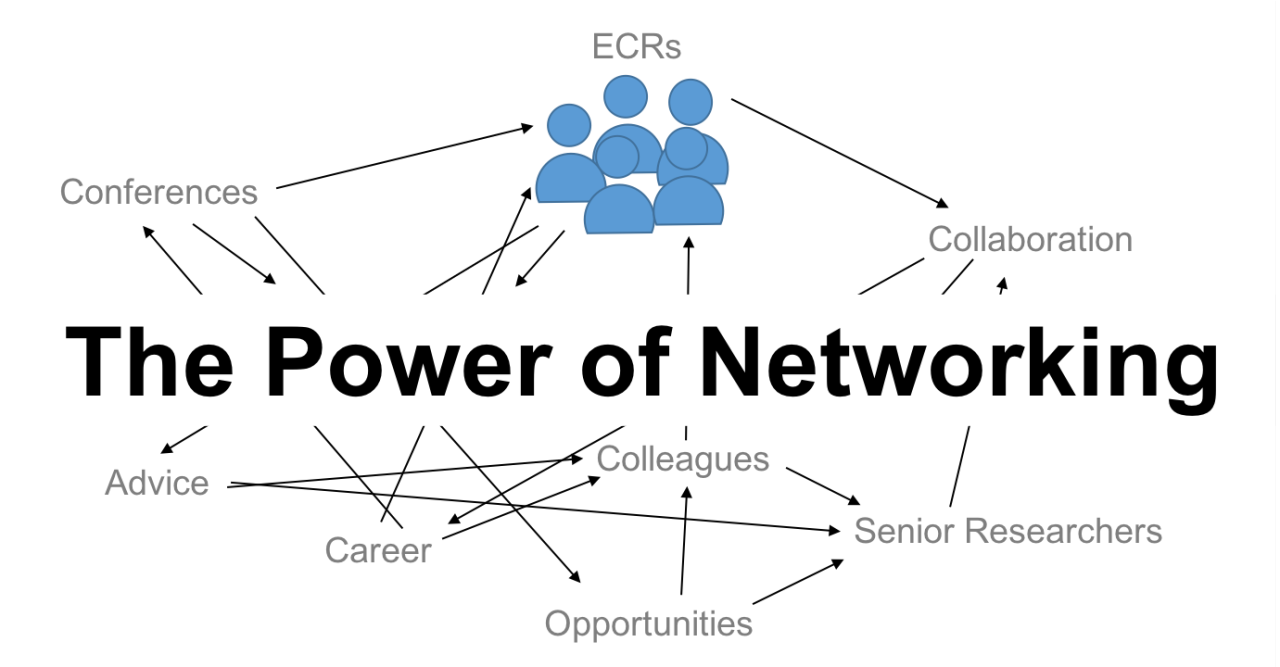
    Networking is a fundamental element of building and growing a successful business. It involves establishing and nurturing relationships with individuals and organizations to exchange information, resources, and support. In this article, we’ll explore the significance of networking in business, the benefits it offers, and strategies for effective networking.

    Understanding Networking in Business

    Business networking is the process of connecting with people in a professional context to share and receive information, resources, and support. It’s a proactive approach to building relationships that can help advance your career, expand your business, and open up new opportunities.

    The Significance of Networking in Business

    Opportunity Identification: Networking provides opportunities for identifying new business opportunities, such as potential clients, partners, or suppliers.

    Knowledge Sharing: Networking allows for the exchange of valuable industry insights, best practices, and market trends.

    Resource Access: Through networking, you can access resources like funding, expertise, and referrals that can be instrumental in your business’s growth.

    Collaboration and Partnerships: Building strong relationships with other businesses or professionals can lead to collaborations, joint ventures, or strategic partnerships.

    Professional Development: Networking can help you advance your career by connecting with mentors, advisors, or potential employers.

    Benefits of Effective Networking

    Increased Business Opportunities: Effective networking can lead to an increased flow of business opportunities, including new clients, projects, and collaborations.

    Enhanced Knowledge and Skills: Networking exposes you to industry trends, best practices, and the experiences of others, which can contribute to your professional growth.

    Boosted Confidence: Building a strong network can boost your confidence and improve your ability to connect with others in a professional setting.

    Resource Access: Networking provides access to resources that may not be readily available through other means, such as funding, specialized expertise, or mentorship.

    Personal Growth: Networking can facilitate personal growth by exposing you to diverse perspectives, cultures, and experiences.

    Strategies for Effective Networking

    Set Clear Objectives: Define your networking goals. Are you looking for new clients, partners, mentors, or industry insights? Setting clear objectives will guide your networking efforts.

    Attend Relevant Events: Participate in industry-specific conferences, seminars, workshops, and social gatherings where you can meet like-minded professionals and potential collaborators.

    Leverage Social Media: Platforms like LinkedIn, Twitter, and even Facebook can be effective tools for expanding your professional network. Engage in discussions, join industry groups, and connect with professionals online.

    Follow Up: After meeting new contacts, follow up with a personalized message or request for a meeting. This shows that you value the connection and are interested in further communication.

    Give to Receive: Networking is a two-way street. Offer help, insights, or resources to your connections to build reciprocity and goodwill.

    Be Genuine and Authentic: Authenticity is crucial in building trust. Be yourself, and don’t try to be someone you’re not.

    Listen Actively: Practice active listening during conversations. Show genuine interest in the other person’s experiences and needs.

    Ask for Introductions: If you’re looking to connect with a specific person or company, ask your existing network for introductions. Mutual connections can facilitate new connections.

    Case Study: Richard Branson

    Richard Branson, the founder of the Virgin Group, is renowned for his exceptional networking skills. He attributes much of his business success to his ability to connect with influential people. By building relationships with individuals and organizations in various industries, he has expanded the Virgin brand into numerous sectors, from music to airlines to telecommunications.

    Branson’s networking skills have enabled him to forge partnerships and collaborations that have driven the growth of his businesses. His ability to connect with like-minded professionals and industry leaders has been a key factor in his entrepreneurial success.

    Common Networking Pitfalls

    Lack of Follow-Up: Failing to follow up after an initial meeting can lead to missed opportunities and weakened relationships.

    Overlooking Online Networking: In the digital age, neglecting online networking platforms can limit your reach and connections.

    Being Transactional: Networking should be about building relationships, not simply extracting immediate benefits. A purely transactional approach can be off-putting.

    Lack of Authenticity: Pretending to be someone you’re not or using insincere flattery can damage trust and credibility.

    Neglecting Existing Contacts: Focusing solely on making new connections while neglecting your existing network can lead to missed opportunities for collaboration or support.

    Conclusion

    Networking is a powerful tool for personal and professional growth in the business world. It provides access to opportunities, knowledge, resources, and collaborative ventures that can propel your career or business to new heights.

    Effective networking requires setting clear objectives, attending relevant events, leveraging social media, and following up with connections. Building and maintaining authentic relationships are at the heart of successful networking. By avoiding common networking pitfalls and learning from networking masters like Richard Branson, you can harness the power of networking to drive your business forward and achieve your professional goals. Remember that networking is an ongoing process, and the connections you build today can have a lasting impact on your future success.

If you're researching trigger technology and want to understand the available options, learn more about M92 frt and its features, design, and compatibility.