Best Scheduling Windows for Septic Tank Pumping to Avoid Seasonal Soil Saturation
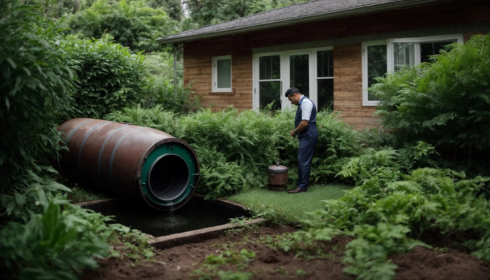
Ground behavior changes more than people realize, and soil moisture plays a direct role in how easy, clean, and timely a pumping job can be. Poor timing can turn a routine septic tank pumping service into a delayed or rescheduled job simply because equipment access becomes unsafe or impractical. The best service windows are not random—they align with soil stability, predictable rainfall cycles, and safe yard conditions.
Planning Pump Service Ahead of Late-winter Ground Thaw
Late winter may look calm, but the ground is busy beneath the surface. Frozen soil acts like a lid, trapping moisture until thaw arrives, often all at once. Scheduling septic tank pumping before this release reduces the chance of saturated ground interfering with service truck placement or hose routing.
Once thaw begins, the top layers soften rapidly and stay wet longer than expected. A job planned too close to that shift can face soft tracks, sinking tires, and surface ruts. Early coordination ensures the system gets serviced when the ground is still firm enough to support the work without damaging the property.
Avoiding Early Spring Weeks When Water Tables Spike
Spring is the riskiest window for soil movement. Rainfall increases, snowmelt drains downward, and water tables climb unpredictably. Septic tanks sit underground, and when surrounding soil is holding excess water, pumping access points can become surrounded by unstable ground.
Even a day of sunshine doesn’t guarantee recovery, as subsurface conditions lag behind surface drying. Choosing dates outside peak water table weeks not only prevents schedule disruption but also protects underground tank integrity. Many septic tank cleaning professionals recommend steering clear of early spring whenever possible for this reason.
Booking Summer Service Before Storm Cycles Peak
Summer seems ideal—until storm season intensifies. In regions like North Alabama, rainfall patterns shift mid-summer, when humid air masses produce sudden, heavy storms. Booking septic tank pumping Huntsville AL services before this surge sidesteps storm-related delays and unpredictable soil oversaturation.
The other advantage of early summer scheduling is evaporation. Warm ground helps moisture dissipate faster, keeping the yard accessible and work-friendly. Once storm cycles pick up, even brief downpours can create pooling over drain fields or low zones, making certain areas unsafe for service vehicles to traverse.
Choosing Early Fall Dates Before Heavy Seasonal Rain Begins
Early fall is one of the most stable service windows of the year. Summer heat has already evaporated excess ground moisture, and seasonal rains have not yet hit full force. This balance offers better ground firmness, clearer scheduling gaps, and fewer weather-related disruptions.
Waiting too deep into fall can backfire quickly. Tropical systems, slow-moving rain bands, or early cold fronts can saturate soil for days. The difference between scheduling in early September versus late October can mean a clean, easy service day versus dangerous ground conditions that push appointments back by weeks.
Scheduling When Yard Access Isn’t Softened by Runoff
Drain patterns around a property matter more than the total amount of rainfall. Roof runoff, driveway slope, gutter discharge points, and compacted soil zones create micro-wet areas that soften faster than the rest of the yard. Septic tank pumping is safest when pathways to the tank are free of these soft, muddy tracks.
Many properties have one or two predictable trouble spots where water collects after even light rain. Smart scheduling works around those vulnerability windows, aiming for stretches where runoff has fully drained and the surface has regained load-bearing stability. That kind of planning keeps both equipment and turf intact.
Pumping Prior to Long Wet Stretches That Delay Service Windows
Extended wet periods are not always dramatic storms. Sometimes it’s simply consecutive days of light rain or persistent cloud cover that prevents evaporation. These slow-saturation periods are equally disruptive to septic tank pumping schedules because the ground never fully dries between showers.
Delays caused by these wet chains are hard to estimate in advance, and rescheduling becomes a moving target. Pumping before expected wet stretches avoids service backlog and protects tanks from reaching high capacity during periods when accessing them might temporarily be impossible.
Timing Maintenance Between Irrigation and Natural Rainfall
Irrigation systems, especially automated ones, add a hidden variable to ground saturation. Even when rain is absent, steady irrigation cycles can keep topsoil soft enough to affect heavy equipment stability. Planning septic tank cleaning between irrigation windows can significantly improve ground firmness and overall site conditions.
Natural rainfall and irrigation together compound saturation faster than either does alone. Ideal timing turns irrigation off 24–48 hours before service to allow soil recovery, and schedules workdays outside predicted rainfall. This coordination keeps routine septic tanks maintenance from competing with water already in the ground.
Properties that value consistency, timing, and careful soil impact management typically see fewer reschedules and smoother service experiences. Aligning pumping windows with seasonal soil behavior has become a key part of long-term septic system care. For professional planning support, Cora Landscape is equipped to help identify the best service windows while protecting yard integrity and system performance.