Blog

  • Bank Nifty: A Look at Banking Stocks

    Bank Nifty: A Look at Banking Stocks

    Banking stocks occupy a significant place in Indian equity markets, and the Bank Nifty index is often used as a way to track this segment specifically. Since banks play a central role in the broader economy, their performance is closely watched not only by sector-focused investors but also by those tracking wider benchmarks such as the Nifty 50. This article looks at what drives banking sector performance, how it connects to broader market trends, and why some investors also keep an eye on indicators like the Gold Rate Today when assessing overall market conditions.

    Understanding the Bank Nifty

    The Bank Nifty tracks the performance of banking sector companies, including both public and private sector lenders. Because banking is closely tied to broader economic activity, movements in this index often reflect expectations around credit growth, interest rate trends, and asset quality across the sector. When the index rises, it can signal optimism about lending growth or improving profitability, while declines may reflect concerns about rising costs, asset quality pressures, or a slower pace of credit expansion.

    Given that banking stocks make up a substantial portion of the Nifty 50 as well, movements in the Bank Nifty often have a direct bearing on the broader index. A significant move in banking stocks, whether upward or downward, can influence the overall direction of the Nifty 50 on a given day, making it useful for investors to track both indices together rather than in isolation.

    Interest Rates and Banking Performance

    Interest rate policy is one of the most influential factors affecting banking stocks. When central bank policy shifts toward higher rates, banks may see an improvement in net interest margins on certain types of lending, though this can be offset by slower loan demand or higher provisioning needs. Conversely, periods of lower interest rates can support borrowing activity but may also compress margins on existing loan books.

    Investors tracking the Bank Nifty often pay close attention to central bank policy announcements and commentary, since these can shape expectations for bank earnings in the following quarters. Beyond policy rates, indicators such as loan growth data, deposit growth, and asset quality trends published during quarterly results are also closely reviewed.

    Public and Private Sector Dynamics

    Within the banking sector, public and private sector lenders can show different performance patterns depending on the broader economic environment. Public sector banks are often more directly influenced by government policy and public sector lending priorities, while private sector banks may show more variation based on individual business strategy, digital adoption, and retail lending focus.

    This divergence means that overall Bank Nifty performance can sometimes mask meaningful differences between how public and private banks are performing individually. Investors with exposure to specific banking stocks, rather than the sector as a whole, may find it useful to look beyond the index level to understand how their particular holdings are performing relative to peers.

    Broader Market Connections

    Because banking stocks carry significant weight within the Nifty 50, the relationship between the Bank Nifty and the broader index is worth understanding for any investor tracking market trends. A period of sustained strength in banking stocks can support gains in the Nifty 50 even if other sectors show mixed performance, while sustained weakness in banking can act as a drag on the broader index.

    This relationship also extends to global and macroeconomic factors. Global interest rate trends, currency movements, and foreign institutional investment flows can all influence banking stocks, which in turn affects how the Nifty 50 performs on a given day.

    Considering Gold as a Portfolio Balance

    While equities, including banking stocks, form a core part of many investment portfolios, tracking the Gold Rate Today remains a common practice among investors looking to diversify risk. Gold often responds to different drivers than banking or broader equity indices, including currency fluctuations, global demand, and central bank buying patterns.

    During periods when interest rate uncertainty affects banking stock performance, some investors observe increased interest in gold as a way to balance portfolio risk. Reviewing the Gold Rate Today alongside sector performance in banking and the broader Nifty 50 can provide a more complete view of how different parts of a portfolio might be affected by the same macroeconomic conditions.

    Points to Keep in Mind

    For investors following banking sector trends, a few considerations may help:

    • Watch interest rate signals. Central bank policy decisions and commentary often shape near-term expectations for banking stock performance.
    • Look at sector composition. Differences between public and private sector banks can affect overall Bank Nifty movement in varying ways.
    • Track the broader index connection. Banking sector trends often influence the Nifty 50 given the weight banks carry within it.
    • Consider diversification. Monitoring indicators like the Gold Rate Today can support a more balanced approach to portfolio risk.

    Closing Thoughts

    Banking stocks remain a significant part of the equity market, and their performance offers useful signals about broader economic conditions, interest rate expectations, and credit growth trends. Tracking the Bank Nifty alongside the wider Nifty 50, along with complementary indicators such as the Gold Rate Today, can help investors build a more well-rounded view of market conditions. As always, investment decisions should be based on individual financial goals and risk appetite, ideally with guidance from a qualified financial advisor.

    Disclaimer: This article is for educational and informational purposes only and should not be considered investment advice. Investments are subject to market risks. Past performance does not guarantee future returns. Investors should assess their financial goals and risk appetite and consult a qualified financial advisor before making investment decisions.

  • When Is It Time to Replace Your Air Conditioner? Signs Homeowners Shouldn’t Ignore

    When Is It Time to Replace Your Air Conditioner? Signs Homeowners Shouldn’t Ignore

    An air conditioner rarely chooses a convenient time to fail. More often, it starts showing little signs first — longer cooling cycles, strange noises, uneven temperatures, or an energy bill that suddenly looks a lot higher than expected.

    For a while, it’s easy to ignore these changes. You turn the thermostat down, call for a quick repair, and hope the problem stays away.

    Sometimes that works. But when an aging system keeps asking for repairs, replacement may eventually become the more sensible option.

    Understanding the warning signs can help homeowners make that decision without waiting for a complete breakdown in the middle of a hot afternoon.

    When Repairs Start Becoming a Pattern

    One repair doesn’t necessarily mean your air conditioner is finished. Even a well-maintained system can experience an occasional component failure.

    The bigger concern is a pattern of repeated problems.

    If your system has required several repairs recently, the costs can begin adding up. At some point, continuing to invest in an older unit may make less financial sense than upgrading to a newer system.

    Age matters, too. Older equipment may be less efficient than modern models, and finding replacement components can sometimes become more difficult.

    This is where experienced a/c replacement professionals can help. Rather than simply recommending a new unit, a qualified contractor should evaluate the condition of the existing system and explain whether repair or replacement is the better long-term choice.

    Why Older Air Conditioning Systems Can Cost More

    Older air conditioning systems aren’t automatically inefficient, but technology and equipment standards have improved over the years.

    Aging components can also lose performance gradually. Coils become dirty, motors wear, refrigerant-related issues develop, ductwork deteriorates, and electrical components can weaken.

    The result may be an air conditioner that still turns on but needs to run longer to keep the home comfortable.

    That’s an important distinction. A system doesn’t have to stop working completely before it becomes inefficient.

    If your air conditioner runs almost constantly on hot days but still struggles to reach the thermostat setting, it’s worth having the system evaluated.

    Higher Energy Bills Can Be a Warning Sign

    Utility costs naturally fluctuate with weather, usage, and energy prices. One expensive month doesn’t automatically mean your HVAC system is failing.

    But consistently higher energy bills can be a useful warning sign when your household habits haven’t changed much.

    If you’re using the air conditioner about as often as you normally do, yet the cost of operating it keeps climbing, declining system efficiency may be part of the problem.

    Other causes should be considered, too. Poor insulation, duct leaks, air infiltration, dirty filters, and thermostat issues can all increase cooling demand.

    That’s why a professional evaluation is more useful than simply assuming the equipment needs to be replaced.

    Uneven Cooling Is Another Clue

    Your home should feel reasonably comfortable throughout the living spaces.

    If one bedroom feels like a refrigerator while another feels like a greenhouse, there may be an airflow or equipment problem.

    Uneven cooling can result from blocked vents, ductwork issues, poor insulation, thermostat placement, or an aging air conditioner that isn’t distributing conditioned air effectively.

    In some cases, the solution may be relatively simple. In others, replacement might make more sense.

    The key is finding the cause before spending money on equipment.

    Strange Sounds Shouldn’t Be Ignored

    Air conditioners make some noise. That’s normal.

    But new or unusual sounds are different.

    Grinding, rattling, buzzing, clicking, or squealing can indicate that a component is worn, loose, or malfunctioning.

    You don’t necessarily need to panic when you hear a strange sound. But you shouldn’t ignore it for months, either.

    A small mechanical problem can sometimes become a much larger repair if the system continues operating under stress.

    Consider the Cost of Keeping an Old Unit

    When deciding between repair and replacement, look beyond the immediate repair bill.

    Ask yourself:

    • How old is the air conditioner?
    • How often has it needed repairs?
    • How much are recent repairs costing?
    • Is the system still keeping the home comfortable?
    • Are energy costs increasing?
    • Are replacement parts becoming difficult to find?
    • Is the equipment covered by a warranty?

    If an older system needs a major repair and has already experienced several problems, replacement may be worth considering.

    On the other hand, a relatively young system with a straightforward repair may have plenty of useful life left.

    There isn’t a single rule that applies to every home.

    Choosing a Replacement System Carefully

    If replacement is the right choice, don’t select equipment based only on the price tag.

    Proper sizing is essential. An oversized air conditioner may cycle too frequently, while an undersized system can struggle to cool the property during extreme heat.

    A professional should consider the home’s size, insulation, windows, ductwork, local climate, and cooling requirements before recommending equipment.

    Installation quality matters just as much. Even an efficient air conditioner can perform poorly when it’s incorrectly installed.

    Maintenance Still Matters After Replacement

    Installing a new air conditioner doesn’t mean maintenance can be forgotten.

    Filters still need attention. Outdoor units need to remain clear of debris. Coils and drainage components may require professional service, and the overall system should be inspected according to the manufacturer’s recommendations.

    Good maintenance can help protect your investment and keep the equipment performing as intended.

    It also gives technicians an opportunity to notice developing problems before they become emergency repairs.

    Don’t Wait for the Hottest Day of the Year

    Replacing an air conditioner is a significant decision, so it’s better to make it when you have time to compare options.

    If your system is aging, increasingly unreliable, or becoming expensive to operate, start researching before it fails completely.

    You’ll have more time to compare equipment, contractors, warranties, installation costs, and long-term operating expenses.

    That’s a much better position to be in than standing beside a broken air conditioner during a heat wave, trying to make a rushed decision.

    A Replacement Can Be a Fresh Start

    Air conditioner replacement isn’t always necessary. Sometimes a good repair and proper maintenance can keep an existing unit running for years.

    But when an aging system becomes unreliable, inefficient, and expensive to maintain, replacement can provide a more predictable path forward.

    Pay attention to the warning signs. Look at your energy costs. Consider the age and repair history of the equipment, and get professional advice before making the final decision.

    The goal isn’t simply to buy a newer air conditioner.

    It’s to create a cooling system that fits your home, operates efficiently, and keeps you comfortable without turning every summer into a battle with the thermostat.

  • Choosing the Right Water Filtration System for a Healthier Home

    Choosing the Right Water Filtration System for a Healthier Home

    Clean water is one of those things most people barely think about until something goes wrong. We turn on the tap, fill a glass, cook dinner, wash vegetables, and get on with the day. Yet the quality of that water can affect everything from taste and cooking to skin comfort and the long-term condition of household plumbing. That’s why choosing a suitable water filtration system deserves more attention than simply buying the first filter that looks good online.

    The right system depends on what is actually in your water, how much water your household uses, and what you’re trying to remove. A small countertop filter may be perfectly adequate for one family, while another home may need treatment for the entire plumbing system. Understanding those differences makes the decision much easier.

    Start by Understanding Your Water

    Before comparing brands or filtration technologies, start with the water itself. Municipal supplies, private wells, rainwater systems, and other sources can have very different characteristics. Water may contain sediment, chlorine, unpleasant tastes, minerals, microorganisms, or other contaminants. Not every filter is designed to handle all of them.

    This is where a water quality report can be useful. If you receive water from a municipal provider, check whether recent testing information is available. Homeowners using private wells should consider having their water tested periodically, especially if the water’s appearance, smell, or taste has changed.

    A common mistake is choosing a filter based on a general promise such as “removes impurities.” That phrase doesn’t tell you which impurities are being removed or at what level. Filtration should always match the actual problem.

    Where Should Filtration Happen?

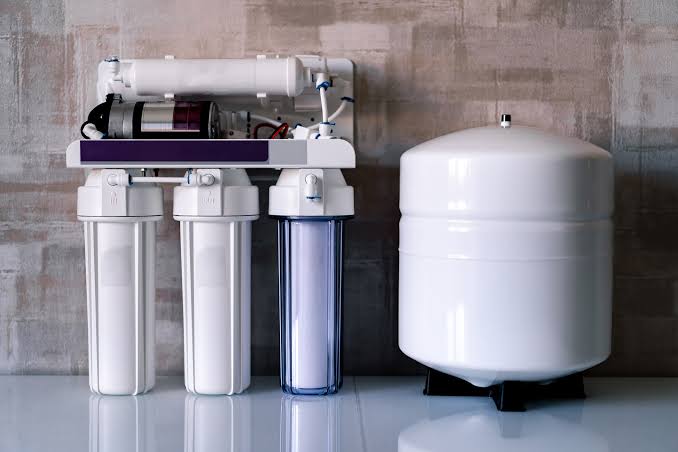
    There are several ways to introduce filtration into a home. Point-of-use systems treat water at a specific location, such as the kitchen faucet. These can be convenient when the primary goal is better drinking and cooking water.

    Whole-home systems work differently. They are installed at the main water entry point, allowing filtered water to reach showers, sinks, washing machines, and other fixtures. For households concerned about sediment, odors, or certain contaminants throughout the property, whole house water filtration can be a practical option.

    That doesn’t automatically mean bigger is better, though. A whole-home system may cost more to install and maintain, and it needs to be correctly sized for household water demand. If the system is too small, pressure and performance can suffer. If it’s unnecessarily complex, you may simply be paying for features you don’t need.

    Don’t Ignore UV Treatment

    Filtration and disinfection aren’t exactly the same thing. Some filters are designed to physically trap particles or reduce certain chemicals, while ultraviolet technology is generally used as a disinfection method.

    For homes where microbial concerns are relevant, uv water filtration can provide an additional treatment step. UV systems expose water to ultraviolet light, helping deactivate certain microorganisms as water passes through the treatment chamber. However, UV treatment doesn’t replace every other type of filtration.

    For example, if water contains visible sediment, a sediment prefilter may be necessary before UV treatment. Cloudy water can interfere with UV performance. This is one reason a properly designed system often uses several stages rather than relying on a single device to do everything.

    Think About Maintenance Before Installation

    A filtration system isn’t a “set it and forget it” appliance. Filters become loaded with contaminants over time, cartridges need replacement, and some systems require periodic cleaning or servicing. UV lamps also have a service life, even when they still appear to be working.

    Before purchasing anything, find out how often components need attention and what replacement parts cost. A system that looks affordable initially can become expensive if its consumables are difficult to find or unusually costly.

    Maintenance is also about hygiene. A neglected filter can become less effective and, depending on the design and conditions, may create additional concerns. Put replacement dates on your calendar rather than waiting until water quality noticeably changes.

    Testing Should Guide the Decision

    Water problems aren’t always obvious. Clear water can still contain contaminants, while unpleasant taste or staining doesn’t necessarily tell you exactly what caused the issue. Guessing can lead to the wrong treatment.

    Independent or professional testing can give homeowners a clearer picture of water chemistry and possible contamination. The results can then help determine whether you need sediment filtration, carbon treatment, softening, UV disinfection, reverse osmosis, or another approach.

    This is especially important for private wells. Conditions underground can change, and nearby construction, flooding, agricultural activity, or other environmental factors may affect water quality. Testing provides information that a generic filtration brochure simply can’t provide.

    Consider Water Pressure and Household Demand

    A filtration system should fit the way your home actually uses water. A family of five taking several showers, running a dishwasher, doing laundry, and using multiple faucets at once has different requirements from a single person in a small apartment.

    Check the system’s flow rate and pressure requirements before installation. A system that restricts water too much may become frustrating quickly. Professional installation can also help ensure that plumbing connections, bypass valves, drains, and other components are configured properly.

    It’s worth thinking about future needs, too. If you’re renovating, adding another bathroom, or expanding the household, choosing equipment with a little flexibility may save you from replacing the system later.

    Look Beyond the Price Tag

    Price matters, but it shouldn’t be the only deciding factor. Compare the purchase cost, installation, replacement filters, electricity requirements, servicing, expected lifespan, and warranty. A slightly more expensive system may be better value if it lasts longer and uses readily available replacement parts.

    Also, be cautious of exaggerated claims. No single filtration technology solves every water problem. A trustworthy supplier should be willing to explain what a system can remove, what it cannot remove, and what testing supports the recommendation.

    A Better Approach to Cleaner Water

    Choosing a water filtration system doesn’t have to be complicated. Start with the source, test the water when appropriate, identify the contaminants that actually matter, and then choose technology designed for those specific concerns.

    The best system is rarely the one with the longest list of features. It’s the one that quietly does its job, fits your household, can be maintained without a headache, and gives you confidence every time you turn on the tap.

    Clean water is an everyday necessity, not a luxury. Taking a little time to understand your home’s water today can prevent unnecessary spending tomorrow—and, perhaps more importantly, make something you rely on every single day a little safer and more dependable.

  • Leadership Habits That Inspire High-Performing Teams

    Leadership Habits That Inspire High-Performing Teams

    Good leaders go beyond delegating tasks and monitoring progress. Good leaders create an atmosphere where people can feel trust, motivation, and enthusiasm about performing at their best. Effective teamwork does not just happen by chance. It is achieved through the application of good leadership practices that promote cooperation and development. No matter what kind of leadership position you have, be it small or big, choosing a proper way will benefit both you and your team.

    Why Great Leaders Build Great Teams

    A group always carries the philosophy of its leader. One needs to have proper guidance, proper communication, and support that can keep employees focused and motivated. Whether managing a local team or working with Hyderabad escorts, effective communication and support are essential for maintaining focus and building strong leadership skills. This is how leadership skills and team leadership are developed.

    Organizations that are committed to developing their leadership will see more cooperation among their workers, higher morale, and retention levels. When the leaders provide expectations and opportunities for the personal development of an individual, they gain confidence. Eventually, all such efforts create a culture of working together and performing better every day.

    Trust Starts with Everyday Actions

    Trust is a basic requirement for any successful team. It makes employees willing to share their thoughts, work together, and take responsibility when they know that their leader can be trusted. Good leadership skills are often revealed through small actions but not major moves.

    There are many ways to establish trust, such as:

    • Doing what you say you will do.
    • Being truthful even when things go wrong.
    • Listening actively without interrupting and judging.
    • Sharing credit fairly.
    • Treat all of your subordinates respectfully.

    This way, one can create a positive leadership atmosphere in the workplace.

    Leadership Habits That Drive Continuous Growth

    The reason why high-performing teams get better is that their leaders never stop learning and developing other people. The most valuable traits of leadership are associated with the emphasis on learning and improvement rather than being perfect, whether that means learning from experienced professionals or understanding the needs of diverse audiences, such as those searching for Pune escorts.

    Strong leaders encourage growth by:

    • Giving consistent and constructive feedback.
    • Stipulating clearly defined goals with quantifiable outcomes.
    • Promoting creativity and calculated risk.
    • Celebrating accomplishments rather than just results.
    • Making investments in leadership development.

    With time, people start to learn continuously to become an efficient, high-performing team.

    Simple Practices You Can Start Today

    Consistency in small things often leads to the desired results. Pay attention to those aspects that will help you build relationships with people and make your team function well.

    Try the following recommendations:

    • Conduct regular one-on-one meetings with your team members.
    • Define priorities and explain the reason for every task.
    • Celebrate accomplishments and progress no matter how small they are.
    • Ask for feedback and use reasonable suggestions.
    • Promote teamwork rather than competition.
    • Take time to coach other potential leaders.

    Such actions will definitely make the team and your leadership stronger, while also creating a healthy atmosphere for Birmingham escorts in the office.

    Final Thoughts

    As you have read above, great leadership is a result of creating value in what the people in the organization are engaged in. It is done by gaining the trust of your team, building confidence in what they do, being precise in your communication, and giving a purpose in being a part of your organization. Those small, consistent actions can build stronger relationships among your team members and will encourage them to give their best.

    So, lead with purpose. Invest in your team every day. There you go! Now, you can create a team and an organization that grows together.

  • Phyn Plus and Automatic Water Shutoff: A Smarter Way to Protect Your Home

    Phyn Plus and Automatic Water Shutoff: A Smarter Way to Protect Your Home

    Water damage rarely announces itself politely. A pipe can start leaking behind a wall at two in the morning, a washing-machine hose can fail while you’re at work, or a toilet can keep running for hours without anyone noticing. By the time there’s a visible puddle, the actual problem may already be much bigger.

    That’s one reason connected water-monitoring technology has become increasingly interesting for homeowners. Devices can watch water usage continuously, identify unusual flow, and in some cases shut off the water automatically. It doesn’t eliminate plumbing problems, of course, but it can help catch them earlier — and that can make a surprisingly big difference.

    What Is Phyn Plus?

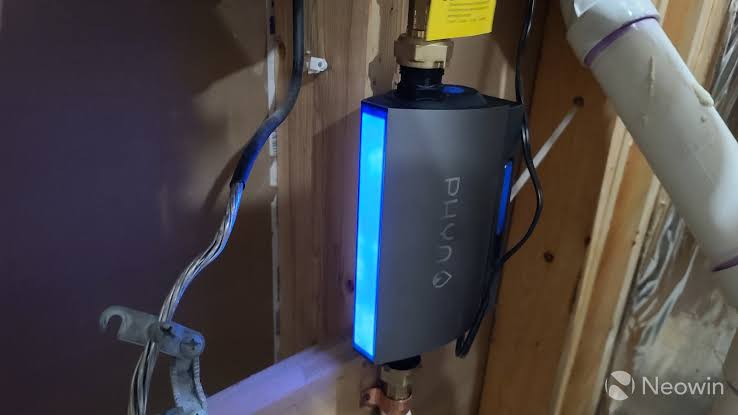
    Phyn Plus is a smart water-monitoring and automatic shutoff device designed to help homeowners understand and manage their home’s water system.

    The idea is fairly simple. The device monitors water flow and pressure through the home’s plumbing and uses data analysis to identify patterns that may suggest unusual water activity.

    Instead of only finding out about a problem when the monthly water bill arrives, homeowners can receive information much closer to when the event actually happens.

    That shift from “something happened” to “something may be happening right now” is where smart water monitoring becomes genuinely useful.

    Why Water Monitoring Matters

    Most people know roughly how much water their household uses, but few can describe what normal water usage looks like hour by hour.

    A monitoring system can establish patterns over time. Perhaps the house normally has almost no water activity overnight. If the system suddenly detects continuous flow at 3 a.m., that difference can be meaningful.

    It doesn’t automatically prove there’s a leak. A sprinkler system, appliance, or someone taking a very late shower could explain it. Still, the alert gives you a reason to check.

    And that’s often the whole point: getting a warning before a small problem becomes an emergency.

    Automatic Water Shutoff Can Add Another Layer of Protection

    Monitoring is helpful, but detection is only half the equation. An automatic water shutoff can take things one step further by stopping water flow when the system identifies a potentially serious event.

    Imagine you’re away for the weekend and a supply line suddenly breaks. Without anyone there to turn off the main valve, water could continue flowing until somebody discovers the problem.

    A connected shutoff device may be able to respond much faster.

    Of course, homeowners should understand how their particular system makes shutoff decisions. False positives are possible, and plumbing systems vary. It’s important to configure alerts and settings appropriately rather than assuming the device will always interpret every situation perfectly.

    The Cost of Waiting Too Long

    Water is harmless when it’s where it belongs. Inside a pipe, tank, or appliance, it does its job. Once it escapes into walls, flooring, insulation, or ceilings, the story changes quickly.

    A small leak can gradually create costly damage, including ruined flooring, damaged drywall, mold-related concerns, and repairs to household furnishings.

    The financial cost isn’t always the only problem. Water damage can disrupt daily life, force rooms out of use, and create a huge amount of stress.

    Early detection doesn’t guarantee that damage won’t happen, but it can reduce the amount of water involved in an incident.

    Understanding Your Home’s Water Habits

    One underrated benefit of a smart water monitor is education.

    Once you see your home’s water patterns, you may discover things you never noticed. Maybe an old toilet is using more water than expected. Perhaps outdoor irrigation accounts for a surprisingly large portion of consumption. You might even notice that certain appliances create unusual flow patterns.

    This information can help homeowners make practical decisions rather than relying on guesses.

    And no, you don’t need to stare at a water dashboard all day. That’s not the point. The useful part is being alerted when something falls outside normal behavior.

    What Happens When You’re Away?

    Smart water protection becomes particularly interesting for second homes, rental properties, or families who travel frequently.

    When nobody is around, a leak can continue unnoticed for hours or days. A connected monitoring and shutoff system can provide another layer of protection while the property is empty.

    That doesn’t replace insurance, plumbing inspections, or sensible maintenance. Think of it as another safety net.

    For many homeowners, that’s probably the most convincing argument for the technology.

    Installation and Compatibility Matter

    Before installing a smart water shutoff system, check your home’s plumbing configuration carefully.

    Some systems need to be installed on the main water line, and professional installation may be advisable depending on the setup. Pipe size, valve location, available space, Wi-Fi connectivity, and electrical requirements can all matter.

    It’s tempting to order a device because the feature list looks impressive. But compatibility is more important than a long list of features.

    A good system should fit naturally into the home’s plumbing rather than becoming another headache.

    Don’t Forget About Maintenance

    Smart technology still needs basic care.

    Sensors, valves, network connections, and power supplies should be checked periodically. Software may also need updating. If the system relies on Wi-Fi, homeowners should understand what happens if the internet connection goes down.

    It’s worth testing alerts and shutoff functionality occasionally, too.

    You wouldn’t install a smoke alarm and never check its batteries. Water-protection equipment deserves the same attitude.

    Smart Technology Isn’t a Replacement for Good Plumbing

    A connected monitor can detect unusual water activity, but it can’t fix an aging pipe, replace a worn valve, or repair a cracked appliance hose.

    Regular inspections still matter. Washing-machine hoses, water heaters, toilets, faucets, and exposed plumbing should be checked for signs of wear.

    The best approach combines traditional maintenance with modern monitoring.

    Technology gives you information and, in some cases, a rapid response. Good maintenance reduces the chance of a problem occurring in the first place.

    Is Phyn Plus Worth Considering?

    For homeowners who want greater visibility into water consumption and an additional layer of leak protection, a system such as Phyn Plus can be worth investigating.

    Its real value isn’t simply that it connects plumbing to a smartphone. The bigger benefit is awareness. Knowing what’s normal makes it easier to recognize what’s unusual, and faster action can sometimes limit the consequences of a plumbing failure.

    No smart device can promise a completely leak-free home. Pipes will still age, appliances will still fail, and accidents happen.

    But when water starts going somewhere it shouldn’t, every minute can matter. A little technology, paired with sensible maintenance, may give homeowners something they didn’t have before: an earlier warning and a better chance to act before a small leak turns into a very large problem.

  • Ready-to-Wear Sarees for Effortless Dressing

    Ready-to-Wear Sarees for Effortless Dressing

    There is something wonderfully simple about knowing exactly what you want to wear and being ready in minutes. For saree lovers, that ease can make a considerable difference.

    A saree may be one of the most versatile pieces in an Indian wardrobe, but draping it can sometimes feel like a task of its own. You need the right pleats, the right length and enough time to make everything sit properly. This is where a ready-to-wear saree changes the equation.

    Instead of beginning with metres of fabric, you begin with a silhouette that is already prepared for you.

    What Makes a Ready-to-Wear Saree Different?

    Also called a pre-draped saree or pre-stitched saree, a ready-to-wear saree is designed to simplify the process of getting dressed. SUTA’s current ready-to-wear edit includes a wide range of styles across fabrics, colours and occasion categories, from cotton and mul cotton to linen, organza and other blends.

    That variety makes these sarees useful beyond weddings. A pre-draped saree can work for festive lunches, office celebrations, dinners, parties and occasions where you want the presence of a saree without spending considerable time arranging it.

    When Should You Wear a Ready-to-Wear Saree?

    Think about the occasions when you want to look dressed up but have little time to prepare.

    A pre-draped saree for women can be particularly useful for destination events, work functions, festive gatherings and last-minute invitations. It can also be a practical choice for someone wearing a saree for the first time.

    The key is to select the fabric and silhouette according to the occasion. A lighter cotton or mul cotton option can work well during the day, while a saree with zari, sequins or a more structured finish can take you comfortably into evening dressing. SUTA’s ready-to-wear collection currently includes festive and wedding-wear options alongside more relaxed choices.

    Styling a Ready-to-Wear Saree with a Readymade Blouse

    The blouse becomes even more important when the saree already has a defined drape.

    A readymade blouse gives you an easy way to introduce contrast, colour or texture without altering the saree itself. For a minimal saree, try a blouse with a stronger neckline or sleeve detail. For a statement saree, a simple fitted blouse can keep the proportions balanced.

    A round-neck blouse works well for a clean, understated look. A square or sweetheart neckline can make the outfit feel more contemporary. Full sleeves can add structure, while shorter sleeves keep the overall look lighter.

    The best part is that you do not have to reserve your blouse for one saree. A well-fitting ready-made blouse can move between different drapes, colours and occasions.

    Ready-to-Wear Does Not Mean One-Occasion Wear

    One of the strongest reasons to consider a ready-to-wear saree is its adaptability.

    A festive saree can be styled with a statement blouse and jewellery for a celebration, then given a quieter interpretation with a simpler blouse for another occasion. Some designs can even be paired with contemporary accessories to create a more relaxed look.

    SUTA’s ready-to-wear saree collection offers numerous silhouettes and fabric choices, with several options available across sizes including XS-S, M-L and XL-XXL.

    If you love the look of a saree but prefer a quicker approach to getting dressed, a ready-to-wear saree can be one of the easiest additions to your wardrobe. It keeps the essence of saree dressing while making the actual process considerably simpler.

  • PepsiCo India accelerates its digital branding strategy – PCP platform drives user connectivity, job training, and local market growth.

    PepsiCo India accelerates its digital branding strategy – PCP platform drives user connectivity, job training, and local market growth.

    PepsiCo India today released a strategic press release introducing its digital brand promotion project – the PepsiCo Brand Promotion Platform (PCP). This project aims to further strengthen the connection between the brand and Indian consumers through digital promotion, user training, and localized market collaboration.

    Since its launch in 2022, PCP has continuously improved its user service, brand promotion, digital training, and regional operation systems, with Haryana as one of its key development areas.
    PCP aims to enable users to understand the brand promotion process and participate in online marketing activities through more convenient digital tools, and to improve their communication, promotion, and teamwork skills through systematic training.
    Main directions of PCP platform development

    1. Enhance PepsiCo India’s brand influence
      PCP helps more Indian consumers understand PepsiCo India’s brands and products through digital content dissemination, product knowledge training, online interactive activities, and user feedback mechanisms.
      The platform aims to establish a more direct channel for brand communication, increase user engagement, and strengthen the long-term relationship between consumers and the brand.
    2. Promote local employment and skills training
      PCP will provide Indian users with training opportunities in areas such as marketing, customer service, digital operations, team management, and regional support.
      The platform plans to help participants learn through phased courses:
    • Digital branding methodologies
    • Customer communication and customer service
    • Teamwork and basic management
    • Cybersecurity and account protection
    • Marketing campaign execution and data feedback
    1. Collaborate with Punjab National Bank on digital services
      PCP has partnered with Punjab National Bank to provide platform users with more convenient account processing, rewards distribution, and transaction history inquiry services.
      The two parties will also collaborate on digital payment security, user authentication, and financial literacy.
    2. Strengthen communication with the Haryana government.
      PCP will maintain communication with relevant Haryana state government departments, focusing on local employment, digital skills training, consumer protection, and business localization.
      PCP plans to establish more user service and training centers in Haryana, providing operations, customer service, technical, and management positions for the local market.
    3. Establish network security and user protection mechanisms.
      PCP will strengthen account security education, reminding users to properly protect their passwords, verification codes, and personal information.
      The platform also plans to establish mechanisms for risk identification, abnormal account detection, complaint handling, and user feedback, providing participants with a safer and more transparent digital environment.
    4. Promote localized management.
      PCP plans to continue recruiting local Indian managers, marketing assistants, customer service personnel, technical staff, and training instructors, gradually building an operations team centered around local Indian talent.
      The platform hopes that through localized management, it can more accurately understand the needs of users in different regions and provide services that are more tailored to the characteristics of the Indian market.

    Building a Digital Bridge Between Brands, Users, and the Market
    In this fictional news setting, PCP not only serves as a brand promotion platform but also acts as a crucial bridge connecting businesses, consumers, job training, and digital services.
    The platform will focus on developing the following areas in the future:

    • Expanding the local user service network in India
    • Advancing the development of digital brand promotion tools
    • Establishing regional training and customer service centers
    • Strengthening consumer feedback and market research
    • Enhancing payment settlement and account security capabilities
    • Cultivating local market and management talent
    • Supporting the long-term development of the PepsiCo India brand in the Indian market
      The PepsiCo India project manager stated:
      “PCP aims to bridge the gap between brands and consumers through digital technology, allowing more users to understand the value of brand promotion. We will continue to improve our training, service, and user protection systems to create more digital engagement opportunities for the Indian market.”
      Future Development Plan
      In accordance with this strategy, PCP will continue to expand its service footprint in Haryana and other parts of India, building a more efficient brand promotion ecosystem through digital training, brand activities, and localized operations.
      PCP’s long-term goal is to make brand communication more transparent, interactions more convenient, and customer service more professional, while fostering a more stable and deeper connection between PepsiCo India and Indian consumers.
  • Why Experienced Investors Seek True Wealth Beyond Splits and Bonus Announcements

    Why Experienced Investors Seek True Wealth Beyond Splits and Bonus Announcements

    In Indian financial circles, few corporate announcements generate as much retail investor excitement as news of a stock split or a bonus issue. The concept of a share split — dividing existing shares into a larger number of lower-priced units — and the idea of receiving bonus shares for free from a company’s reserves both appeal to the innate human attraction to apparent generosity and affordability. But veteran investors and seasoned fund managers approach these events with measured scepticism, recognising that true wealth creation in equity markets comes from business fundamentals rather than the mechanical redistribution of existing share capital.

    The Compounding Engine: What Really Creates Wealth

    The compounding of a company’s profits over long periods of time is the true source of wealth in equity investing. A company’s intrinsic worth increases exponentially when it regularly reinvests its profits at high rates of return. Regardless of whether the company has ever declared a split or bonus issue, this increase eventually shows up in the stock price, rewarding patient shareholders.

    Some of India’s most amazing wealth-creation tales feature businesses that, through unrelenting business expansion, produced exceptional returns for long-term investors without ever splitting their shares or offering incentives. On the other hand, there are instances of businesses that, in times of declining business performance, issued several bonus issues and splits, utilizing these announcements as diversion from underlying troubles. A discerning investor learns to look through the announcement to the health of the underlying business.

    Reading the Balance Sheet Before the Announcement

    For an investor attempting to ascertain whether the bonus problem allegation is wholly ludicrous or only cosmetic, the consistency sheet provides the most trustworthy information. The balance sheet’s inventory and excess section displays the unit’s earnings and production in tons. The bonus case is credible and valuable due to a substantial and expanding portfolio of decisions accumulated over years of successful operations. It narrates the tale of a business that achieved financial success and now formally recognizes that accomplishment as its capital.

    Conversely, businesses that emphasize bonus issues and have low reserves, high debt loads, or inconsistent profitability should be closely examined. Indian regulators should anticipate that bonus shares will only be distributed in accordance with actual reserves, yet assess their reserves health before buying trends and downturns can occur dividditionly Sitting that she dividend might be better than locking that capital into equity through a bonus problem.

    Sectoral Trends and Their Influence on Corporate Actions

    Bonus issues and splits in India are not random in terms of frequency or timing; rather, they typically occur at times of economic growth and improving market sentiment. Businesses in a sector that is experiencing a multi-year upcycle typically make quick profits and increase their reserves. Naturally, this makes a bonus issue both possible and desirable from the perspective of investor relations.

    India has had waves of corporate activity in industries including consumer goods during times of significant middle-class consumption development, medicines during the boom in generic medication exports, and technology during the rise of software services. The anticipatory re-rating of stocks occasionally helps investors who monitor sectors earnings cycles and spot businesses with sizable reserves prior to these announcements. However, this approach requires deep industry knowledge and is more suited to experienced investors than beginners.

    Institutional Versus Retail Perspective on These Events

    It is important to compare the perspectives of major institutional investors and ordinary customers on the distribution and bonus issue. In-house research teams at institutional fund managers that make investments on behalf of the mutual value, coverage, and pension value sectors frequently concentrate solely on business fundamentals, such as revenue growth, margin expansion, capital efficiency, competitiveness, and altering the financial system.

    Those disclaimers are frequently processed far more successfully by retail customers, particularly those who are new to the market. Discussions concerning round bonus bulletins, when stock bonuses are anticipated to be issued, and whether purchasing before the record date is a reliable indicator are frequently seen on Indian online boards and social media platforms. Building sound funding habits from the beginning, focusing on fundamentals over company opportunity and business, generally results in higher results.

    Governance as the Ultimate Differentiator

    Long-term, excellent corporate governance determines whether an effort is in the best interests of shareholders as compared to any company product that includes bonuses and dividends. It is used for deception or as a diversion from issues.

    With SEBI requiring greater disclosure, unbiased directors, and board obligations, India’s regulatory framework has steadily improved corporate governance standards. After demonstrating that they are already trustworthy, investors who place a high priority on the governance of their fundraising due diligence are better positioned to profit from corporate transfers. High-quality businesses introduce first-class corporate transfers, and the most important rule for the astute investor is to find those businesses by doing extensive study.

  • Why the Best Water Treatment Starts with Understanding Your Water

    Why the Best Water Treatment Starts with Understanding Your Water

    Water is one of those things that quietly supports almost every part of our day. We wake up and brew coffee with it, rinse fresh fruit before breakfast, fill reusable bottles before leaving the house, and end the evening with a hot shower without giving it much thought. Because it’s always there, we often assume it’s doing exactly what it should.

    But water is surprisingly complex.

    Its quality depends on where it comes from, how it’s treated, the condition of local plumbing, and even the natural minerals found beneath the ground. Two homes only a few streets apart can experience noticeably different water characteristics, which is why there’s rarely a universal solution for improving water quality.

    The smartest approach isn’t buying the biggest filtration system you can find. It’s understanding your home’s unique water first and choosing treatment based on real information rather than guesswork.

    Every Home Has Its Own Water Story

    People are often surprised to discover how much water can vary from one property to another.

    Municipal water travels through treatment facilities, underground pipes, storage systems, and household plumbing before reaching your faucet. Private well water follows an entirely different journey through underground aquifers, where natural geology influences mineral content and overall water composition.

    Some homeowners notice chlorine taste. Others struggle with hard water, sediment, discoloration, or unusual odors. In many cases, the water looks perfectly clear but still contains characteristics that affect taste, appliances, or everyday comfort.

    That’s why borrowing someone else’s solution rarely produces the best results.

    Guessing Usually Costs More

    When people first notice a water issue, it’s tempting to search online, buy a filter, and hope for the best.

    Sometimes that works.

    More often, it doesn’t.

    Treating the wrong problem means spending money without actually improving your water. A sediment filter won’t solve hard water, and a water softener isn’t designed to remove every type of impurity.

    That’s exactly why homeowners increasingly choose customized water treatment instead of one-size-fits-all systems. Personalized solutions focus on addressing your home’s actual water conditions, making treatment both more effective and more economical over the long term.

    The goal isn’t adding unnecessary equipment.

    It’s solving the right problem.

    Why Testing Matters Before Installation

    One of the biggest misconceptions about water quality is believing you can judge it simply by taste or appearance.

    Clear water isn’t always free from concerns, while cloudy water doesn’t necessarily indicate something serious.

    Professional testing removes uncertainty by identifying the minerals, sediment, hardness, chlorine levels, and other characteristics that influence your household water. This information becomes the foundation for making informed decisions rather than relying on assumptions.

    Without testing, choosing treatment equipment is little more than educated guesswork.

    Understanding Your Results

    Water reports sometimes look intimidating at first glance.

    Numbers, measurements, and unfamiliar terminology can seem overwhelming, especially if you’ve never reviewed a water analysis before.

    Fortunately, experienced professionals help translate those technical findings into practical recommendations. An accurate water analysis doesn’t simply provide laboratory data—it explains what those results actually mean for your family’s daily life.

    Does your water need treatment?

    Would simple filtration solve the issue?

    Is hard water affecting your plumbing?

    Those answers become much clearer once the testing is complete.

    Small Improvements You Notice Every Day

    Many homeowners expect dramatic changes after improving their water.

    The reality is usually quieter—but no less meaningful.

    Morning coffee develops a cleaner flavor. Tea brews more naturally. Fresh vegetables rinse more easily, while homemade soups and pasta often taste just a little better.

    Soap lathers more effectively, dishes leave the dishwasher with fewer spots, and mineral buildup around faucets gradually becomes less noticeable.

    These improvements aren’t flashy.

    They’re simply the kind of everyday comforts that quietly become part of normal life.

    Better Water Supports More Than Drinking

    When people think about water treatment, they usually picture a glass of drinking water.

    In reality, water affects nearly every room in the house.

    It flows through washing machines, water heaters, coffee makers, refrigerators, dishwashers, showers, and countless plumbing fixtures. Improving water quality can help reduce scale buildup, improve appliance efficiency, and support easier household cleaning over time.

    That’s one reason many homeowners view water treatment as both a health decision and a home maintenance investment.

    The benefits extend well beyond the kitchen sink.

    Creating Confidence Every Day

    Perhaps the greatest benefit of quality water isn’t something you can easily measure.

    It’s confidence.

    Knowing your family has reliable access to clean safe water changes countless everyday routines. You prepare meals without second-guessing your ingredients. Children refill their bottles directly from the tap. Guests happily accept a glass of water without asking for bottled alternatives.

    These small moments create a sense of reassurance that’s difficult to put a price on.

    And over time, they simply become part of how your home functions.

    Don’t Forget About Maintenance

    Even the best water treatment equipment requires occasional attention.

    Filters eventually reach capacity. Components wear naturally over time, and manufacturers recommend replacement schedules for a reason.

    Fortunately, routine maintenance is usually simple.

    Replacing filters on schedule and arranging periodic inspections helps maintain consistent water quality while extending equipment lifespan. Skipping maintenance may not create immediate problems, but performance often declines gradually.

    A little preventive care keeps everything working exactly as intended.

    Better Decisions Begin with Better Information

    The most successful water treatment projects rarely start with equipment.

    They start with curiosity.

    Homeowners ask questions. They test their water. They learn what’s actually present before making decisions. That thoughtful approach often produces better results than simply purchasing the newest or most expensive system available.

    When you understand your water, choosing the right solution becomes remarkably straightforward.

    Final Thoughts

    Water quietly influences nearly every aspect of life inside your home. It supports cooking, cleaning, hydration, bathing, and countless other routines that happen almost automatically. Because it’s such a constant part of everyday life, even modest improvements in water quality can create lasting benefits.

    Instead of relying on assumptions or generic recommendations, taking the time to understand your home’s unique water conditions allows you to make informed choices that truly fit your family’s needs.

    At the end of the day, better water isn’t about owning the most advanced equipment. It’s about creating a home where every glass you pour, every meal you prepare, and every daily routine feels just a little cleaner, easier, and more reassuring.

  • Building Better Projects Starts Long Before the First Brick Is Laid

    Building Better Projects Starts Long Before the First Brick Is Laid

    Every successful construction project begins with optimism. The plans are approved, budgets are outlined, contractors are hired, and everyone imagines the finished result. Whether it’s a family home, a commercial office, or a large public development, the goal is always the same—to create something durable, functional, and built to last.

    Of course, construction has a way of reminding us that even the best plans can change. Weather delays happen, materials arrive late, design revisions appear unexpectedly, and communication doesn’t always flow as smoothly as people hope. None of that automatically means a project will fail, but it does highlight why preparation and teamwork matter so much.

    The truth is, great buildings are rarely the result of luck. They’re usually the product of careful planning, experienced leadership, and hundreds of smart decisions made long before anyone starts pouring concrete.

    Good Planning Creates Better Results

    People often focus on what they can physically see during construction—the framing, roofing, electrical work, and finishing touches. Yet much of a project’s success depends on work completed behind the scenes.

    Budgets must be realistic. Timelines need flexibility. Permits have to be secured, subcontractors coordinated, materials ordered, inspections scheduled, and responsibilities clearly assigned.

    When those early details receive proper attention, projects generally move more efficiently. Problems don’t disappear entirely, but they’re usually easier to solve before they grow into expensive setbacks.

    Construction has always rewarded preparation.

    Why Professional Standards Matter

    Every construction project is expected to meet accepted industry practices designed to protect safety, quality, and long-term performance.

    These construction standards of care establish the level of skill, diligence, and professionalism reasonably expected from architects, engineers, contractors, and other construction professionals. They aren’t simply suggestions—they provide an important benchmark for evaluating whether work has been performed appropriately.

    Following recognized standards benefits everyone involved. Owners gain confidence in the finished product, contractors reduce unnecessary risk, and projects are more likely to perform well long after completion.

    Consistency often becomes one of the strongest indicators of quality workmanship.

    Managing More Than Materials

    Construction isn’t simply about assembling building materials in the correct order.

    Successful construction project management involves coordinating dozens of moving parts simultaneously. Scheduling crews, monitoring budgets, tracking deliveries, reviewing quality, addressing safety concerns, communicating with clients, and adapting to unexpected challenges all happen throughout the life of a project.

    Good project managers spend much of their time solving problems before they become visible.

    Sometimes that means adjusting schedules after severe weather. Other times it involves coordinating subcontractors to avoid delays or ensuring inspections occur before work continues.

    Their work often goes unnoticed precisely because everything runs smoothly.

    Communication Is the Strongest Tool on Any Job Site

    One lesson repeated by experienced builders is surprisingly simple: most expensive mistakes begin with poor communication.

    An undocumented design change, an unclear instruction, or an unanswered email may seem insignificant at first. Yet those small misunderstandings can affect scheduling, budgeting, material orders, and completed work throughout an entire project.

    That’s why successful construction teams document conversations, confirm revisions in writing, and encourage regular progress meetings.

    The extra effort may feel repetitive, but it prevents confusion later when everyone is trying to remember exactly what was agreed upon weeks earlier.

    Small Problems Rarely Stay Small

    Construction issues have a tendency to grow quietly.

    A minor drainage concern may eventually damage foundations. Improper flashing can allow moisture behind walls. Slight framing errors sometimes create alignment problems throughout an entire structure.

    Addressing concerns early usually costs far less than repairing widespread damage after completion.

    Regular inspections, quality control procedures, and careful documentation help identify these issues before they become major financial burdens.

    Experienced professionals understand that prevention almost always costs less than correction.

    Resolving Differences Professionally

    Even well-managed projects occasionally experience disagreements.

    Payment schedules, change orders, delays, workmanship expectations, contract interpretations, or project responsibilities can all become sources of tension between parties. When those disagreements aren’t addressed promptly, they sometimes develop into contractor disputes that require mediation, arbitration, or legal review.

    Interestingly, many of these conflicts could have been minimized through better documentation and clearer communication from the beginning.

    Detailed contracts, organized records, photographs, inspection reports, and written approvals provide objective information when memories begin to differ.

    Evidence usually proves more valuable than assumptions.

    Experience Helps Identify Hidden Risks

    One advantage experienced construction professionals bring to every project is perspective.

    They’ve seen similar challenges before.

    They recognize warning signs that newer teams might overlook. They understand how scheduling changes affect later phases, why certain materials perform better under specific conditions, and which shortcuts often create expensive repairs years later.

    Experience doesn’t eliminate every problem, but it certainly improves decision-making.

    It’s often the quiet observations—not dramatic discoveries—that save projects from unnecessary complications.

    Thinking Beyond Project Completion

    Finishing construction isn’t really the end of the story.

    Buildings continue aging, systems require maintenance, warranties eventually expire, and occupancy creates wear over time. Owners who maintain organized records, preserve construction documentation, and schedule regular maintenance generally experience fewer costly surprises later.

    Likewise, contractors who prioritize quality over speed often build stronger reputations that generate future opportunities through referrals rather than advertising alone.

    Construction is one of those industries where long-term thinking consistently produces better outcomes than short-term shortcuts.

    Final Thoughts

    Every successful building represents thousands of individual decisions made throughout planning, design, construction, and final completion. While materials and equipment certainly matter, people remain the most important part of every project.

    Clear communication, professional accountability, careful planning, and consistent attention to detail create the foundation for lasting success. Challenges will always arise—that’s simply part of construction—but the way teams respond to those challenges often determines whether projects remain manageable or become unnecessarily complicated.

    Whether you’re an owner, contractor, developer, architect, or investor, understanding the importance of planning, documentation, and collaboration can make every stage of construction more predictable and far less stressful.

    At the end of the day, remarkable buildings aren’t created by chance. They’re built through experience, trust, preparation, and countless thoughtful decisions that quietly come together to produce something designed to stand strong for generations.

If you're researching trigger technology and want to understand the available options, learn more about M92 frt and its features, design, and compatibility.