
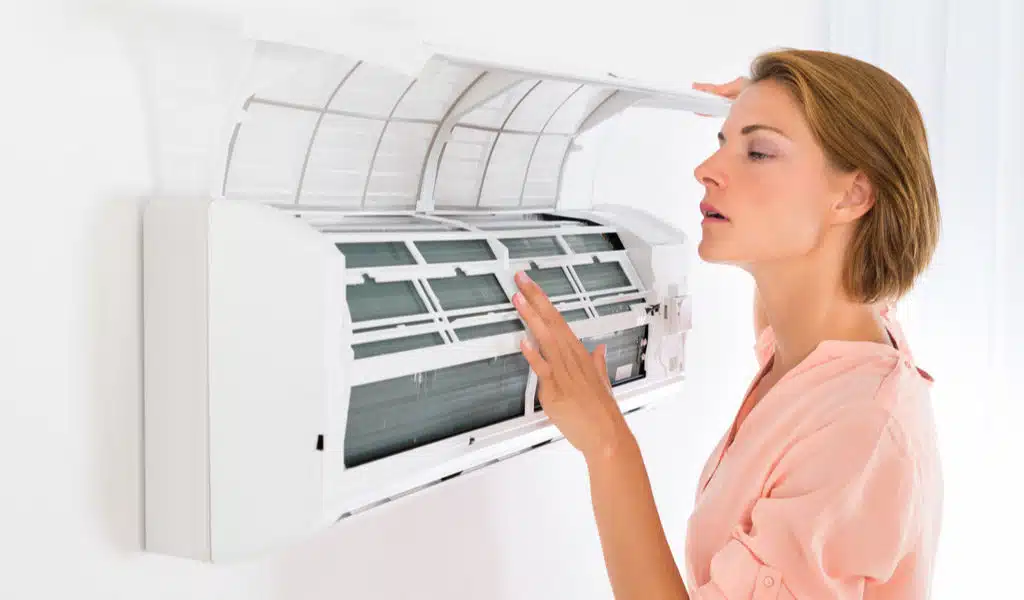
An air conditioner rarely chooses a convenient time to fail. More often, it starts showing little signs first — longer cooling cycles, strange noises, uneven temperatures, or an energy bill that suddenly looks a lot higher than expected.
For a while, it’s easy to ignore these changes. You turn the thermostat down, call for a quick repair, and hope the problem stays away.
Also read: Everyday Ways to Make Better Use of Filtered Water at Home
Sometimes that works. But when an aging system keeps asking for repairs, replacement may eventually become the more sensible option.
Understanding the warning signs can help homeowners make that decision without waiting for a complete breakdown in the middle of a hot afternoon.
Also read: How to Improve Pond Water Quality and Create a Healthier Outdoor Environment
When Repairs Start Becoming a Pattern
One repair doesn’t necessarily mean your air conditioner is finished. Even a well-maintained system can experience an occasional component failure.
The bigger concern is a pattern of repeated problems.
Also read: Last-Minute House Moves: How to Pull It Together Without Panic
If your system has required several repairs recently, the costs can begin adding up. At some point, continuing to invest in an older unit may make less financial sense than upgrading to a newer system.
Age matters, too. Older equipment may be less efficient than modern models, and finding replacement components can sometimes become more difficult.
Also read: Choosing the Right Water Filtration System for a Healthier Home
This is where experienced a/c replacement professionals can help. Rather than simply recommending a new unit, a qualified contractor should evaluate the condition of the existing system and explain whether repair or replacement is the better long-term choice.
Why Older Air Conditioning Systems Can Cost More
Older air conditioning systems aren’t automatically inefficient, but technology and equipment standards have improved over the years.
Also read: Phyn Plus and Automatic Water Shutoff: A Smarter Way to Protect Your Home
Aging components can also lose performance gradually. Coils become dirty, motors wear, refrigerant-related issues develop, ductwork deteriorates, and electrical components can weaken.
The result may be an air conditioner that still turns on but needs to run longer to keep the home comfortable.
That’s an important distinction. A system doesn’t have to stop working completely before it becomes inefficient.
If your air conditioner runs almost constantly on hot days but still struggles to reach the thermostat setting, it’s worth having the system evaluated.
Higher Energy Bills Can Be a Warning Sign
Utility costs naturally fluctuate with weather, usage, and energy prices. One expensive month doesn’t automatically mean your HVAC system is failing.
But consistently higher energy bills can be a useful warning sign when your household habits haven’t changed much.
If you’re using the air conditioner about as often as you normally do, yet the cost of operating it keeps climbing, declining system efficiency may be part of the problem.
Other causes should be considered, too. Poor insulation, duct leaks, air infiltration, dirty filters, and thermostat issues can all increase cooling demand.
That’s why a professional evaluation is more useful than simply assuming the equipment needs to be replaced.
Uneven Cooling Is Another Clue
Your home should feel reasonably comfortable throughout the living spaces.
If one bedroom feels like a refrigerator while another feels like a greenhouse, there may be an airflow or equipment problem.
Uneven cooling can result from blocked vents, ductwork issues, poor insulation, thermostat placement, or an aging air conditioner that isn’t distributing conditioned air effectively.
In some cases, the solution may be relatively simple. In others, replacement might make more sense.
The key is finding the cause before spending money on equipment.
Strange Sounds Shouldn’t Be Ignored
Air conditioners make some noise. That’s normal.
But new or unusual sounds are different.
Grinding, rattling, buzzing, clicking, or squealing can indicate that a component is worn, loose, or malfunctioning.
You don’t necessarily need to panic when you hear a strange sound. But you shouldn’t ignore it for months, either.
A small mechanical problem can sometimes become a much larger repair if the system continues operating under stress.
Consider the Cost of Keeping an Old Unit
When deciding between repair and replacement, look beyond the immediate repair bill.
Ask yourself:
- How old is the air conditioner?
- How often has it needed repairs?
- How much are recent repairs costing?
- Is the system still keeping the home comfortable?
- Are energy costs increasing?
- Are replacement parts becoming difficult to find?
- Is the equipment covered by a warranty?
If an older system needs a major repair and has already experienced several problems, replacement may be worth considering.
On the other hand, a relatively young system with a straightforward repair may have plenty of useful life left.
There isn’t a single rule that applies to every home.
Choosing a Replacement System Carefully
If replacement is the right choice, don’t select equipment based only on the price tag.
Proper sizing is essential. An oversized air conditioner may cycle too frequently, while an undersized system can struggle to cool the property during extreme heat.
A professional should consider the home’s size, insulation, windows, ductwork, local climate, and cooling requirements before recommending equipment.
Installation quality matters just as much. Even an efficient air conditioner can perform poorly when it’s incorrectly installed.
Maintenance Still Matters After Replacement
Installing a new air conditioner doesn’t mean maintenance can be forgotten.
Filters still need attention. Outdoor units need to remain clear of debris. Coils and drainage components may require professional service, and the overall system should be inspected according to the manufacturer’s recommendations.
Good maintenance can help protect your investment and keep the equipment performing as intended.
It also gives technicians an opportunity to notice developing problems before they become emergency repairs.
Don’t Wait for the Hottest Day of the Year
Replacing an air conditioner is a significant decision, so it’s better to make it when you have time to compare options.
If your system is aging, increasingly unreliable, or becoming expensive to operate, start researching before it fails completely.
You’ll have more time to compare equipment, contractors, warranties, installation costs, and long-term operating expenses.
That’s a much better position to be in than standing beside a broken air conditioner during a heat wave, trying to make a rushed decision.
A Replacement Can Be a Fresh Start
Air conditioner replacement isn’t always necessary. Sometimes a good repair and proper maintenance can keep an existing unit running for years.
But when an aging system becomes unreliable, inefficient, and expensive to maintain, replacement can provide a more predictable path forward.
Pay attention to the warning signs. Look at your energy costs. Consider the age and repair history of the equipment, and get professional advice before making the final decision.
The goal isn’t simply to buy a newer air conditioner.
It’s to create a cooling system that fits your home, operates efficiently, and keeps you comfortable without turning every summer into a battle with the thermostat.
