
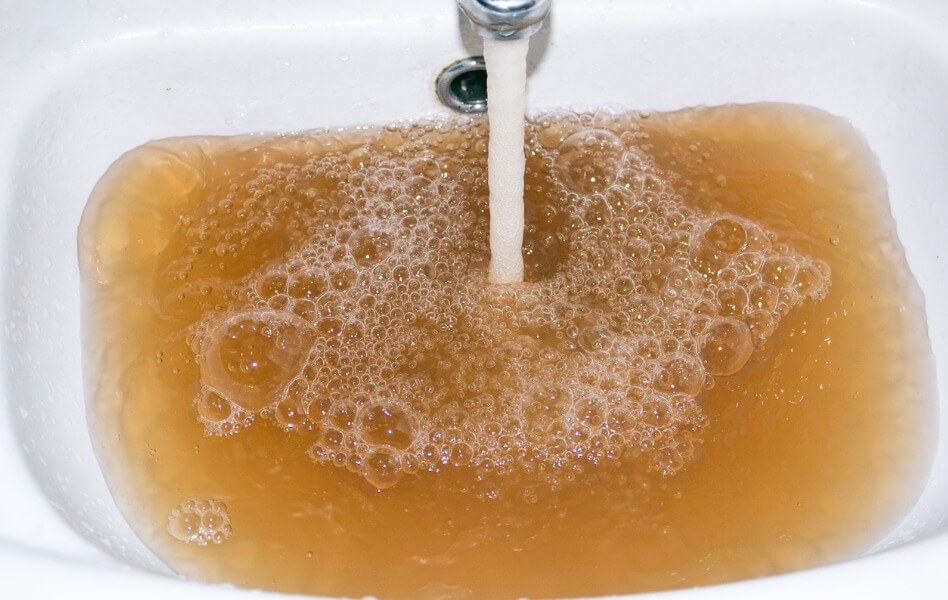
Most of us expect water to do its job without much fuss. It should come out of the tap, fill a glass, rinse the dishes, and leave the shower ready for the next person. But when water starts leaving stains, smelling unusual, or looking cloudy, everyday tasks can become surprisingly frustrating. You might clean the bathroom on Saturday and find white marks around the faucets again by Monday. Or perhaps your drinking water has a taste that makes you reach for a bottled alternative.
These problems are fairly common, but they don’t all have the same cause. Understanding what is happening in your water supply is the first step toward choosing a treatment that actually works.
Also read: Making Better Water Decisions: What to Know Before Choosing a Treatment System
When Hard Water Leaves Its Mark
Hard water contains dissolved minerals, mainly calcium and magnesium. These minerals occur naturally as water moves through rocks and soil. They aren’t generally considered a health concern at typical levels, but they can create extra work around the house.
White deposits on showerheads, cloudy glassware, and stubborn marks on bathroom fixtures are familiar signs. Soap may also lather less effectively, leaving a film on skin, tiles, and laundry. Inside appliances, minerals can accumulate over time, particularly in equipment that heats water.
Also read: Everyday Ways to Make Better Use of Filtered Water at Home
For households experiencing hard water and scale buildup, the effects can extend beyond appearance. Mineral deposits may interfere with heating efficiency, restrict small openings, and contribute to additional wear on certain water-using appliances. The severity depends on water hardness, temperature, usage, and the equipment involved.
A simple water hardness test can help determine whether minerals are responsible. If hardness is the main issue, a water softener may be worth considering. Conventional softeners typically use ion exchange to reduce calcium and magnesium. They can help limit new scale formation, although existing deposits may still need to be cleaned separately.
Also read: How to Improve Pond Water Quality and Create a Healthier Outdoor Environment
Not every home needs a softener, though. Some households manage perfectly well with periodic cleaning, while others with very hard water find treatment more practical. Test results, rather than guesswork, should guide the decision.
Why Water Sometimes Looks Cloudy
Cloudy water can be unsettling, especially when it appears suddenly in a drinking glass. Fortunately, not every instance indicates contamination. Sometimes, tiny air bubbles make fresh tap water look milky. If the water clears from the bottom upward after standing for a short time, trapped air may be the explanation.
Also read: Last-Minute House Moves: How to Pull It Together Without Panic
Other causes deserve closer attention. Sediment from a well, disturbed deposits in a distribution line, corrosion, or plumbing work can introduce particles into the supply. In some cases, the cloudiness may be linked to a problem that requires testing or professional inspection.
When sediment and cloudy water become a recurring concern, look for patterns. Does the issue affect every faucet or just one? Does it occur after plumbing repairs, heavy rainfall, or changes in the local supply? Does the water remain cloudy after standing, or are visible particles settling at the bottom?
Also read: When Is It Time to Replace Your Air Conditioner? Signs Homeowners Shouldn’t Ignore
These observations can help narrow down the possibilities, but they cannot confirm water safety. If cloudiness is sudden, persistent, or accompanied by an unusual smell or color, contact your water provider or a qualified water professional. Private well owners should consider appropriate testing, especially after flooding or work on the well.
A sediment filter may help remove suspended particles, but selecting the right filter depends on the size and type of material present. It will not automatically remove dissolved chemicals or microorganisms. Treating the correct problem matters more than simply installing a filter.
Dealing with Chlorine Taste and Odor
Many public water suppliers use chlorine or related disinfectants to control harmful microorganisms during treatment and distribution. This is an important part of protecting drinking water, but some people notice a swimming-pool-like smell or a distinct taste when filling a glass.
The intensity can vary depending on the water source, treatment process, and local distribution conditions. A noticeable chlorine smell does not, by itself, establish whether the water is safe or unsafe. If the odor changes sharply or seems unusual, checking with the utility is sensible.
For households bothered by chlorine taste and odor, an appropriately certified activated carbon filter may improve the drinking experience. Depending on the design and certification, carbon filtration can reduce chlorine and certain substances responsible for unpleasant tastes or smells.
Different filters perform differently, so check the product’s specific claims before purchasing. A filter designed to improve taste isn’t necessarily intended to remove every contaminant. Replacement schedules matter as well. Once a cartridge reaches the end of its service life, its performance may decline.
If the problem affects water throughout the home, a point-of-entry treatment system may be an option. If it mainly affects drinking water, a kitchen-based filter could be enough. The right choice depends on where the issue occurs and how much water needs treatment.
Choosing Treatment Without Spending Unnecessarily
Water treatment products often come with impressive descriptions, complicated specifications, and promises of cleaner water. It’s easy to feel that a more expensive system must be better. In reality, the best system is the one designed for the problem you have.
Start by identifying your water source. Public utility customers can review the local water quality report, while private well owners should arrange regular testing appropriate to their location and circumstances. If a particular concern remains, a sample taken from the home may provide additional information.
Next, compare technologies based on their intended purpose. Water softeners address hardness minerals. Sediment filters capture suspended particles. Activated carbon can improve taste and odor by reducing certain substances. Reverse osmosis systems can reduce a range of dissolved contaminants, depending on the equipment and its verified performance.
These technologies aren’t interchangeable. A softener will not solve every taste issue, and a sediment filter won’t remove all dissolved substances. Some homes may need a combination of treatment methods, while others need only one.
Look for independent certifications and clear information about contaminant reduction. Ask how often components must be replaced, whether the system affects water pressure, and what routine maintenance involves. These practical details can have a bigger impact on long-term satisfaction than a long list of marketing features.
Small Habits That Help Maintain Water Quality
You don’t always need a major installation to improve your household water experience. Clean faucet aerators when appropriate, follow appliance maintenance instructions, and investigate persistent leaks or changes in water flow. If a filter is installed, keep track of replacement dates instead of waiting for the water to taste different.
Pay attention to sudden changes, too. Water that becomes discolored after a nearby repair may require a different response from water that has always left mineral deposits. A new smell, persistent cloudiness, or unexpected change in taste should not be ignored simply because the water looked normal yesterday.
For private wells, regular testing is especially important because some contaminants have no noticeable taste, smell, or color. Appearance alone cannot establish safety.
Better Water Begins with Better Information
Water problems can be irritating, but solving them doesn’t have to be complicated. Identify the symptoms, understand their possible causes, and use reliable testing when necessary. Then choose treatment equipment that addresses the confirmed issue instead of paying for features you may never need.
Whether you’re dealing with mineral deposits, cloudy water, or an unpleasant taste, the goal is the same: make water more suitable for your household while keeping maintenance and costs manageable.
A thoughtful approach now can save time, reduce unnecessary purchases, and help you care for your plumbing and appliances more effectively. Sometimes, the most useful improvement starts with a simple question: what’s actually in my water?
