
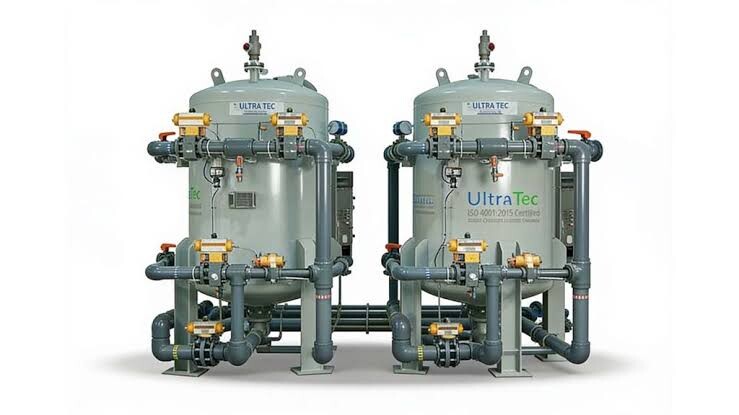
Water treatment is easy to overlook when everything seems to be working properly. The taps run, the washing machine finishes its cycle, and the kettle boils without much thought. But when mineral deposits begin appearing on fixtures, water pressure drops, or an unpleasant taste becomes noticeable, those everyday routines can suddenly become frustrating.
Finding the right solution isn’t simply about choosing the newest equipment. It’s about understanding your water, your household’s needs, and the features that make a treatment system practical over the long term. Some homes need help with hard water, others need better filtration, and some benefit from equipment designed to use fewer resources while delivering dependable results.
Also read: Understanding Common Water Problems and Finding the Right Solution for Your Home
A little knowledge can help you avoid unnecessary purchases and choose a system that makes sense for your property.
Start With the Water You Actually Have
Before selecting a water treatment system, identify the problem you’re trying to solve. Hard water, for example, contains elevated levels of dissolved calcium and magnesium. These minerals can leave chalky marks on shower doors, create scale inside kettles, and accumulate in water heaters. Other water concerns may include sediment, iron, unpleasant odors, or specific contaminants that require testing.
Also read: Making Better Water Decisions: What to Know Before Choosing a Treatment System
The source of your water matters, too. Municipal supplies are generally treated and monitored, but water can still be affected by household plumbing. Private wells have different considerations because local geology, seasonal changes, and nearby land use may influence the water’s composition.
A water test provides a more dependable starting point than appearance alone. Clear water can still contain substances that aren’t visible, while cloudy water may sometimes result from harmless air bubbles. Testing helps distinguish between an inconvenience and a problem that requires specific treatment.
Also read: Everyday Ways to Make Better Use of Filtered Water at Home
Once you know what’s present, you can compare technologies based on their actual purpose. A water softener, sediment filter, carbon filter, and reverse osmosis unit all perform different jobs. Choosing one without understanding the issue can leave you with equipment that costs money but doesn’t solve the problem.
Why Non-Electric Water Treatment Can Be Useful
Not every treatment system needs a complicated electrical setup. In some situations, equipment that relies on water pressure and mechanical controls can be an attractive option, particularly where electricity access is limited or homeowners prefer a simpler installation.
Also read: How to Improve Pond Water Quality and Create a Healthier Outdoor Environment
A system designed for non-electric operation may use mechanical valves or other pressure-driven components to carry out its intended treatment process. Depending on the equipment, this can reduce dependence on electrical power and eliminate some electronic components that might otherwise require troubleshooting.
However, the phrase doesn’t mean the entire installation is maintenance-free. Mechanical valves can wear, seals may eventually need replacement, and filtration media still has a limited service life. Some systems may also need electricity for optional monitoring equipment, pumps, or additional treatment stages.
Also read: Last-Minute House Moves: How to Pull It Together Without Panic
It’s worth checking the operating requirements before making a decision. Ask whether the unit needs a minimum water pressure, how it handles periods of low demand, and what happens if water supply is interrupted. For households that experience frequent power outages, a genuinely suitable non-electric system may offer useful peace of mind, but only if it also meets their water treatment needs.
The simplest system isn’t always the best system. Reliability comes from matching the equipment to the water conditions and the way the household uses water.
Understanding Demand-Based Regeneration
Water softeners that use ion-exchange resin need to regenerate periodically so the resin can continue removing hardness minerals. Traditional systems may regenerate on a fixed schedule, but that schedule doesn’t always reflect how much water a household actually uses.
A system using metered demand regeneration tracks water consumption and initiates regeneration according to programmed capacity and usage. Rather than regenerating simply because a certain amount of time has passed, it can base the cycle on how much of its available treatment capacity has been used.
This approach can help reduce unnecessary regeneration when household demand is lower than expected. It may also help ensure that the softener regenerates when needed, provided it has been correctly sized and configured.
Consider a household where several family members leave for a week-long holiday. A timer-based system might still regenerate according to its schedule, even though very little water is being used. A properly configured demand-based unit can respond more closely to actual consumption.
Of course, metering isn’t a guarantee of perfect efficiency. The system must account for water hardness, resin capacity, and household demand. If the unit is undersized or the settings are incorrect, it may struggle to provide consistently softened water.
When comparing softeners, ask how the control valve measures usage, whether reserve capacity is built in, and how settings can be adjusted when household needs change. These details are often more important than a long list of advertised features.
Choosing the Right Filtration Media
Filtration is another area where a little specificity goes a long way. Different materials are designed to address different water concerns, and the media inside a filter determines much of its performance.
For example, sediment media captures suspended particles, while activated carbon can reduce chlorine and certain compounds associated with unpleasant taste and odor. Specialized media may be used for particular contaminants, including iron or other substances, depending on the water chemistry and product design.
Some systems use customized filtration media to address several identified water issues in one installation. The media selection may be based on laboratory results, flow requirements, and the amount of water that needs treatment each day.
This can be useful when a property has a combination of problems that a standard filter cannot adequately address. However, customized doesn’t automatically mean superior. The selected media must be appropriate for the contaminants present, and the system needs enough contact time and capacity to perform as intended.
Ask a supplier to explain why a particular media has been recommended. Request information about its tested performance, expected lifespan, replacement requirements, and operating limitations. If a claim sounds unusually broad, look for independent certification or supporting technical documentation.
It’s also important to know what the system doesn’t remove. A filter designed to improve taste may not reduce harmful microorganisms, and a softener isn’t a substitute for disinfection. When safety concerns are involved, treatment should be selected using reliable testing and qualified advice.
Efficiency Depends on More Than Equipment
A treatment system’s long-term value comes from the way it operates, not just its purchase price. Water consumption, salt use, replacement media, service visits, and wastewater production can all affect ongoing costs.
For homeowners, the practical questions are straightforward. How often will the system need attention? Are replacement parts readily available? Can filters be changed without specialized tools, or will professional servicing be necessary? These considerations matter because a system that’s difficult to maintain may eventually be neglected.
Sizing is equally important. A unit that’s too small may struggle during busy periods, while an oversized system can add unnecessary expense. Flow rate matters in homes with several bathrooms, particularly when showers, laundry, and kitchen taps may operate at the same time.
Installation conditions should also be considered. Available space, drainage access, plumbing layout, and local water pressure can influence which options are realistic. A professional assessment can help uncover these practical details before money is spent.
Maintenance Keeps Performance on Track
Even efficient systems require regular checks. Inspect visible connections for leaks, follow filter replacement recommendations, and keep a record of servicing. If the system includes a control valve, review its settings when household occupancy or water demand changes significantly.
Pay attention to unusual changes, too. Returning scale deposits might indicate that a softener needs attention, while reduced flow can suggest a clogged filter or a separate plumbing problem. A sudden change in taste or odor deserves investigation rather than an automatic filter replacement.
For private wells, periodic testing remains important even when treatment equipment is installed. Water quality can change, and treatment performance should not be assumed without appropriate checks.
Choose for Your Household, Not Just the Feature List
The best water treatment system is one that addresses the real problem without creating unnecessary complexity. Non-electric designs may suit certain installations, demand-based regeneration can help manage softener operation, and carefully selected filtration media can target specific water concerns.
Start with testing, compare systems based on verified performance, and consider maintenance costs alongside the initial investment. A reliable supplier should be willing to explain the equipment clearly rather than pushing the most expensive option.
Good water treatment rarely needs to be flashy. When the system fits your water conditions, operates efficiently, and receives sensible care, it can quietly make everyday life easier for years to come.
