
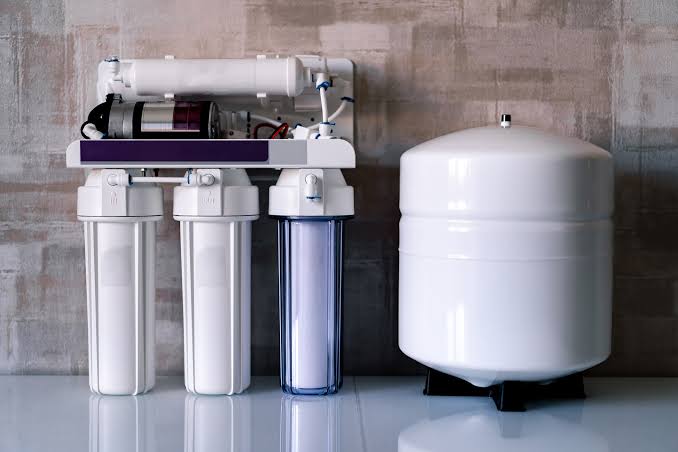
Clean water is one of those things most people barely think about until something goes wrong. We turn on the tap, fill a glass, cook dinner, wash vegetables, and get on with the day. Yet the quality of that water can affect everything from taste and cooking to skin comfort and the long-term condition of household plumbing. That’s why choosing a suitable water filtration system deserves more attention than simply buying the first filter that looks good online.
The right system depends on what is actually in your water, how much water your household uses, and what you’re trying to remove. A small countertop filter may be perfectly adequate for one family, while another home may need treatment for the entire plumbing system. Understanding those differences makes the decision much easier.
Also read: Everyday Ways to Make Better Use of Filtered Water at Home
Start by Understanding Your Water
Before comparing brands or filtration technologies, start with the water itself. Municipal supplies, private wells, rainwater systems, and other sources can have very different characteristics. Water may contain sediment, chlorine, unpleasant tastes, minerals, microorganisms, or other contaminants. Not every filter is designed to handle all of them.
This is where a water quality report can be useful. If you receive water from a municipal provider, check whether recent testing information is available. Homeowners using private wells should consider having their water tested periodically, especially if the water’s appearance, smell, or taste has changed.
Also read: How to Improve Pond Water Quality and Create a Healthier Outdoor Environment
A common mistake is choosing a filter based on a general promise such as “removes impurities.” That phrase doesn’t tell you which impurities are being removed or at what level. Filtration should always match the actual problem.
Where Should Filtration Happen?
There are several ways to introduce filtration into a home. Point-of-use systems treat water at a specific location, such as the kitchen faucet. These can be convenient when the primary goal is better drinking and cooking water.
Also read: Last-Minute House Moves: How to Pull It Together Without Panic
Whole-home systems work differently. They are installed at the main water entry point, allowing filtered water to reach showers, sinks, washing machines, and other fixtures. For households concerned about sediment, odors, or certain contaminants throughout the property, whole house water filtration can be a practical option.
That doesn’t automatically mean bigger is better, though. A whole-home system may cost more to install and maintain, and it needs to be correctly sized for household water demand. If the system is too small, pressure and performance can suffer. If it’s unnecessarily complex, you may simply be paying for features you don’t need.
Also read: When Is It Time to Replace Your Air Conditioner? Signs Homeowners Shouldn’t Ignore
Don’t Ignore UV Treatment
Filtration and disinfection aren’t exactly the same thing. Some filters are designed to physically trap particles or reduce certain chemicals, while ultraviolet technology is generally used as a disinfection method.
For homes where microbial concerns are relevant, uv water filtration can provide an additional treatment step. UV systems expose water to ultraviolet light, helping deactivate certain microorganisms as water passes through the treatment chamber. However, UV treatment doesn’t replace every other type of filtration.
Also read: Phyn Plus and Automatic Water Shutoff: A Smarter Way to Protect Your Home
For example, if water contains visible sediment, a sediment prefilter may be necessary before UV treatment. Cloudy water can interfere with UV performance. This is one reason a properly designed system often uses several stages rather than relying on a single device to do everything.
Think About Maintenance Before Installation
A filtration system isn’t a “set it and forget it” appliance. Filters become loaded with contaminants over time, cartridges need replacement, and some systems require periodic cleaning or servicing. UV lamps also have a service life, even when they still appear to be working.
Before purchasing anything, find out how often components need attention and what replacement parts cost. A system that looks affordable initially can become expensive if its consumables are difficult to find or unusually costly.
Maintenance is also about hygiene. A neglected filter can become less effective and, depending on the design and conditions, may create additional concerns. Put replacement dates on your calendar rather than waiting until water quality noticeably changes.
Testing Should Guide the Decision
Water problems aren’t always obvious. Clear water can still contain contaminants, while unpleasant taste or staining doesn’t necessarily tell you exactly what caused the issue. Guessing can lead to the wrong treatment.
Independent or professional testing can give homeowners a clearer picture of water chemistry and possible contamination. The results can then help determine whether you need sediment filtration, carbon treatment, softening, UV disinfection, reverse osmosis, or another approach.
This is especially important for private wells. Conditions underground can change, and nearby construction, flooding, agricultural activity, or other environmental factors may affect water quality. Testing provides information that a generic filtration brochure simply can’t provide.
Consider Water Pressure and Household Demand
A filtration system should fit the way your home actually uses water. A family of five taking several showers, running a dishwasher, doing laundry, and using multiple faucets at once has different requirements from a single person in a small apartment.
Check the system’s flow rate and pressure requirements before installation. A system that restricts water too much may become frustrating quickly. Professional installation can also help ensure that plumbing connections, bypass valves, drains, and other components are configured properly.
It’s worth thinking about future needs, too. If you’re renovating, adding another bathroom, or expanding the household, choosing equipment with a little flexibility may save you from replacing the system later.
Look Beyond the Price Tag
Price matters, but it shouldn’t be the only deciding factor. Compare the purchase cost, installation, replacement filters, electricity requirements, servicing, expected lifespan, and warranty. A slightly more expensive system may be better value if it lasts longer and uses readily available replacement parts.
Also, be cautious of exaggerated claims. No single filtration technology solves every water problem. A trustworthy supplier should be willing to explain what a system can remove, what it cannot remove, and what testing supports the recommendation.
A Better Approach to Cleaner Water
Choosing a water filtration system doesn’t have to be complicated. Start with the source, test the water when appropriate, identify the contaminants that actually matter, and then choose technology designed for those specific concerns.
The best system is rarely the one with the longest list of features. It’s the one that quietly does its job, fits your household, can be maintained without a headache, and gives you confidence every time you turn on the tap.
Clean water is an everyday necessity, not a luxury. Taking a little time to understand your home’s water today can prevent unnecessary spending tomorrow—and, perhaps more importantly, make something you rely on every single day a little safer and more dependable.
