
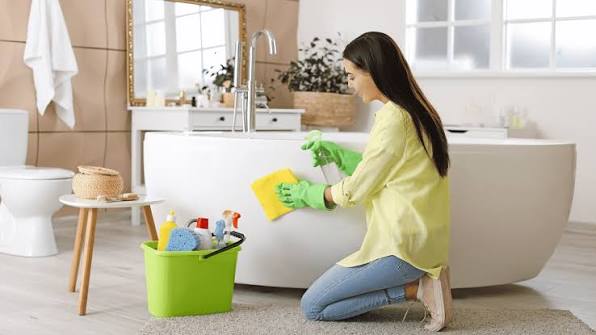
In a city like Mumbai, bathrooms work harder than most rooms. High humidity for much of the year, heavy monsoon dampness, and compact, often poorly ventilated layouts mean moisture lingers long after a shower. A quick scrub keeps the room usable, but it rarely reaches the spots where grime really builds up.
If you have ever searched for bathroom cleaners near me after spotting black patches on the ceiling or a stubborn smell from the drain, you already know that cleaning bathroom surfaces properly takes more than a mug of water and a brush. Here is a guide to the areas that deserve extra attention in a detailed session.
Also read: Picture Hanging Services Melbourne, Mirror Hanging Services Melbourne
Why Bathrooms Need Extra Care
Bathrooms combine warmth, moisture, soap residue, and skin cells, which is an ideal setting for bacteria and mould. The US Environmental Protection Agency advises keeping indoor humidity between 30 and 50%, and certainly below 60%, to limit mould growth. Mumbai’s relative humidity regularly climbs well above that during the monsoon, so bathrooms here need more frequent and more thorough attention than a once-a-week wipe-down.
Areas That Usually Need More Attention
1. Grout lines and tile joints: Grout is porous, so it absorbs moisture and stains easily. A soft brush and a suitable cleaner work better than abrasive powders, which can scratch tiles.
Also read: 5 Major Benefits of Bathtub to Shower Conversion
2. Drains and floor traps: Hair, soap, and residue collect here and cause odours and slow drainage. They are also a common entry point for insects.
3. Taps, showerheads, and fittings: Wherever water is stored in tanks or has a high mineral content, white limescale forms around outlets and reduces water flow. In coastal localities, salty air can also speed up corrosion on metal fittings, which is why non-corrosive products matter.
Also read: Trusted Washer Repair in Boise ID — Sloan Appliance, Your Local Appliance Repair Expert
4. The toilet: Beyond the bowl, the underside of the rim, the base, the area behind the cistern, the flush button, and the seat hinges collect the most buildup.
5. Exhaust fans and vents: Dust and moisture clog them, reducing airflow and letting humidity stay in the room.
Also read: How Commercial Ventilation Systems Can Extend Building Lifespan
6. Ceiling corners and walls: Dark mould spots and peeling paint often start here, well above where most people clean.
7. Shower glass, curtains, and mats: Soap film clouds glass and becomes slippery on mats and curtains if not washed regularly.
Also read: Why More Homeowners Are Choosing a Kitchen Renovation Near Me Over Moving
8. High-touch points: Door handles, light switches, shelves, and mirrors are touched constantly but cleaned rarely.
9. Buckets, mugs, and hand showers: Common in Indian bathrooms, these are often forgotten, yet they develop slime and stains quickly.
Common Cleaning Mistakes to Avoid
Never mix bleach with ammonia-based or acidic cleaners, since the combination can release toxic gases. Avoid strong acids on marble or natural stone, as they can etch permanently. Keep the room ventilated while cleaning, and use separate cloths for the toilet and for taps and mirrors so germs are not spread around.
When to Consider Bathroom Cleaning Services
Some signs suggest a home routine is no longer enough: persistent odour, mould that returns within days, limescale that will not lift, or guests and festivals approaching. Renovation work and tenant changes are also good triggers.
Professional bathroom cleaning services bring trained staff, descalers, scrubbing tools, and a set method. A proper bathroom deep cleaning session typically covers descaling, grout cleaning, fitting polish, drain cleaning, and exhaust fan cleaning.
When comparing providers, look for odourless, non-corrosive, family-safe formulas. This eco-smart approach, which India’s first eco-smart cleaning service category promotes, is especially useful in bathrooms, where children and elders are at higher risk of skin irritation and slips caused by chemical residue.
It also helps to book teams that cover the rest of the home. The same trained partners may use power steam to degrease kitchens and water-saving foam technology for sofas, so you can combine services in one visit. Check that cleaners are 5-star rated and trained, and that the provider offers free cancellation and a best price guarantee, which keeps the booking flexible and the cost fair.
How Often Should Bathrooms Be Deep Cleaned?
Light cleaning should be done several times a week. A full bathroom deep cleaning every two to three months suits most households, and more often during the monsoon or in homes with heavy daily use.
In conclusion, a bathroom can look clean while some less accessible areas still need attention. Grout, drains, fittings, vents, and ceiling corners are easy to overlook, especially in a humid city like Mumbai. Whether you handle the cleaning yourself or search for bathroom cleaners near me, focus on safe products, trained professionals, and a clear scope of work. Regular attention to these areas can help keep the bathroom fresh and easier to maintain.
